



‹
›
‹
›
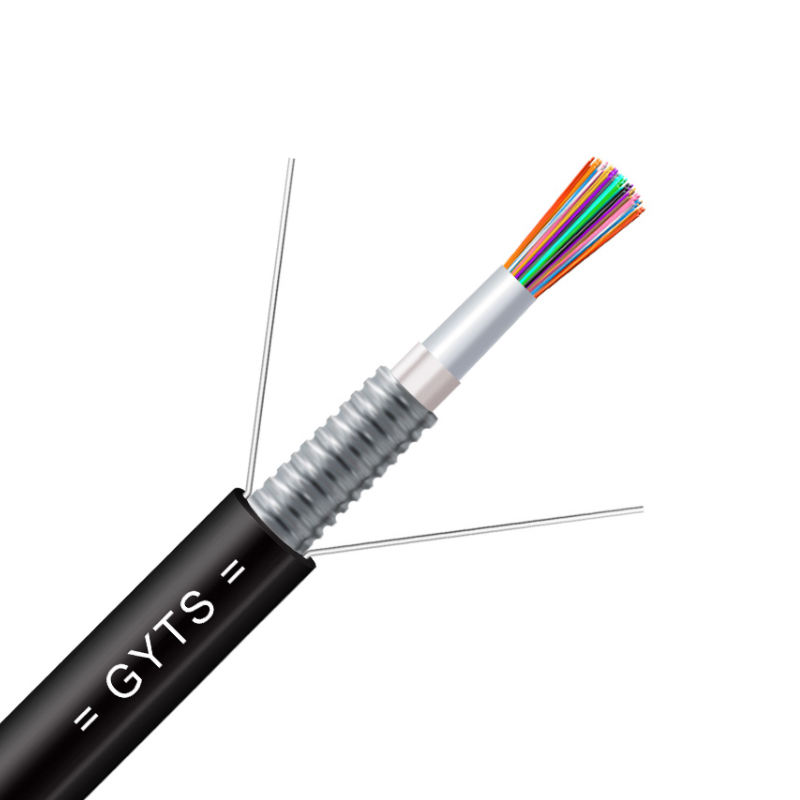
LF089 GYTA Fiber Optic Cable 4-288 Core Outdoor Cable
Available Specifications:
Fiber Count: 4, 6, 8, 12, 24, 48, 72, 96, 144, 288 Core
Fiber Types: G.652A / G.652D / G.657A1 / G.657B3
Custom fiber counts and types available upon request.
Share on





GYTA Fiber Optic Cable Engineering Guide for 4-288 Core Outdoor Networks
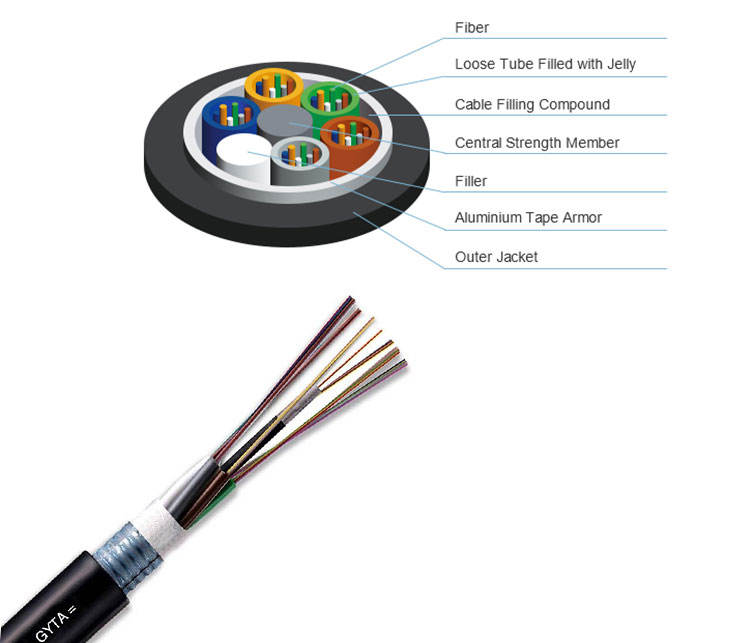
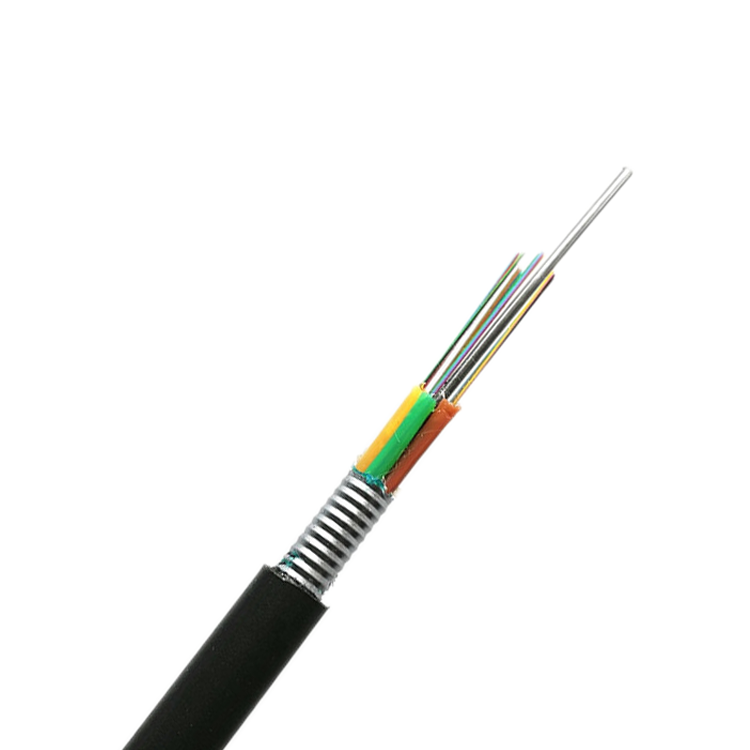
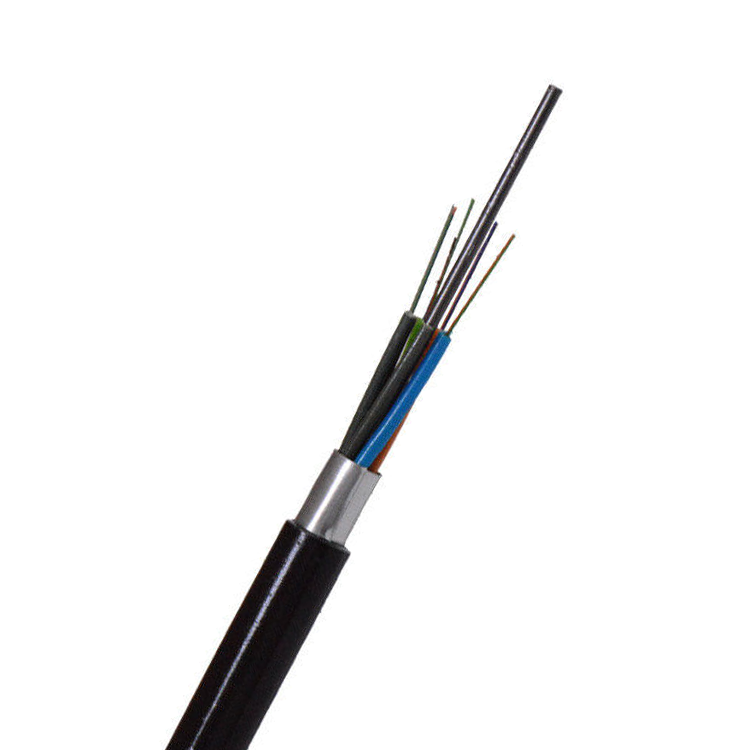
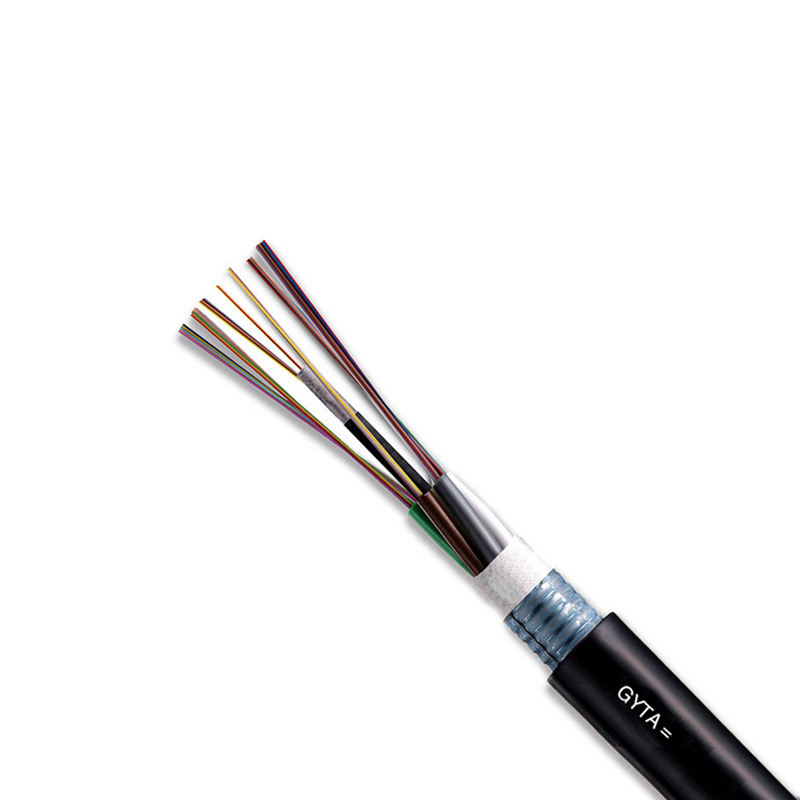
GYTA fiber optic cable is a custom loose tube fiber cable for high-capacity outdoor duct, backbone and separately supported aerial routes. Its stranded loose tubes isolate the fibres from installation and temperature stress, while an aluminum-polyethylene laminate provides a radial moisture barrier under the PE sheath. LinkFiber offers 4-288 cores with the final tube layout, mechanical values and reel schedule confirmed by construction.
GYTA should not be selected from fibre count alone. Buyers must distinguish moisture barrier from crush armor, self-supporting from supported installation, and standard loose-tube construction from a stranded ribbon fibre design. The existing GYTA page URL and its search themes - GYTA outdoor cable, custom loose tube fiber cable and wholesale supply - are retained while the technical limits are made explicit.
Where GYTA Outdoor Fiber Cable Fits
Understanding the GYTA Loose-tube Construction
- Stranded loose tubes manage strain: fibres sit inside filled or dry-water-blocked tubes that are stranded around a central member. Tube excess length and lay direction are part of the mechanical design.
- Aluminum laminate is primarily a moisture barrier: it should not be assumed to provide the same crush or rodent performance as corrugated steel tape or a double-sheath direct-burial armor.
- GYTA is not inherently self-supporting: aerial installation requires a separately engineered support/lashing system. Use GYTC8S or ADSS when the cable itself must span between poles.
- Standard GYTA is a loose-tube cable, not automatically a ribbon cable: if a tender asks for wholesale GYTA ribbon fibre, confirm whether a GYDTS or other ribbon-specific construction is actually required.
- Mechanical values change with count and design: central member, tube count, diameter and sheath thickness must be tied to the approved datasheet.
Technical Specifications and Orderable Options
GYTA Selection Decisions That Protect Existing Link Performance
Pre-shipment Quality and Acceptance Plan
- Construction check: verify central member, tube/filler layout, water blocking, aluminum laminate and sheath.
- Optical check: continuity and attenuation by reel at agreed wavelengths.
- Mechanical/dimensional check: diameter, mass, tensile, crush and bend evidence against the order sheet.
- Water and sheath check: specified water-penetration evidence, sheath surface, print and sequential metre mark.
- Logistics release: reel length, drum size, gross/net weight, sealed ends and destination marks.
For repeat orders, the approved construction drawing, cable print, reel schedule and test-report template should be retained as controlled references. A generic model name is not sufficient evidence that a later batch uses the same fibre, tube layout, strength system, sheath or mechanical grade.
B2B Buyer Guide: Information Required for an Accurate Quote
- Fibre count, fibre category, fibre-per-tube layout and colour code.
- Duct, lashed aerial, tray, tunnel or other installation method.
- Pulling length, allowable pulling tension, duct size/fill and bend limits.
- Required tensile, crush, water, temperature and sheath values.
- Whether a standard loose-tube or genuine ribbon construction is required.
- Reel schedule, splice/closure plan, cable print and packing.
- Quantity, destination, required documents and acceptance reports.
- Related closures, ODF, pigtails and patching capacity for the complete BOM.
When to Choose a Different Cable Construction
- Choose GYTC8S for an integrated-messenger self-supporting aerial route.
- Choose ADSS for an all-dielectric self-supporting aerial route.
- Choose GYXTW for a compact central-tube steel-tape armored access cable.
- Specify GYTS/GYTA53 or another route-approved design when stronger steel armor or direct burial is required; request a ribbon-specific model when mass-fusion ribbon splicing is required.
MOQ, Samples, Lead Time and Packing
Related Cable and Network Components
Compare this custom loose tube fiber cable with GYTC8S figure-8 cable, ADSS aerial cable and GYXTW armored access cable. Send the route and fibre schedule so the cable, closures and distribution hardware are sized together.
What documents should be requested?
What is the difference between GYTA, GYTS and GYXTW cable?
Can GYTA fibre count, fibre type and reel length be customized?
Which standards and compliance documents are available for GYTA?
How does stranded GYTA differ from a central loose-tube cable?
Is standard GYTA a ribbon fibre cable?
Can GYTA cable be used for aerial installation or direct burial?
To learn more about this product, you can submit your requirements here.
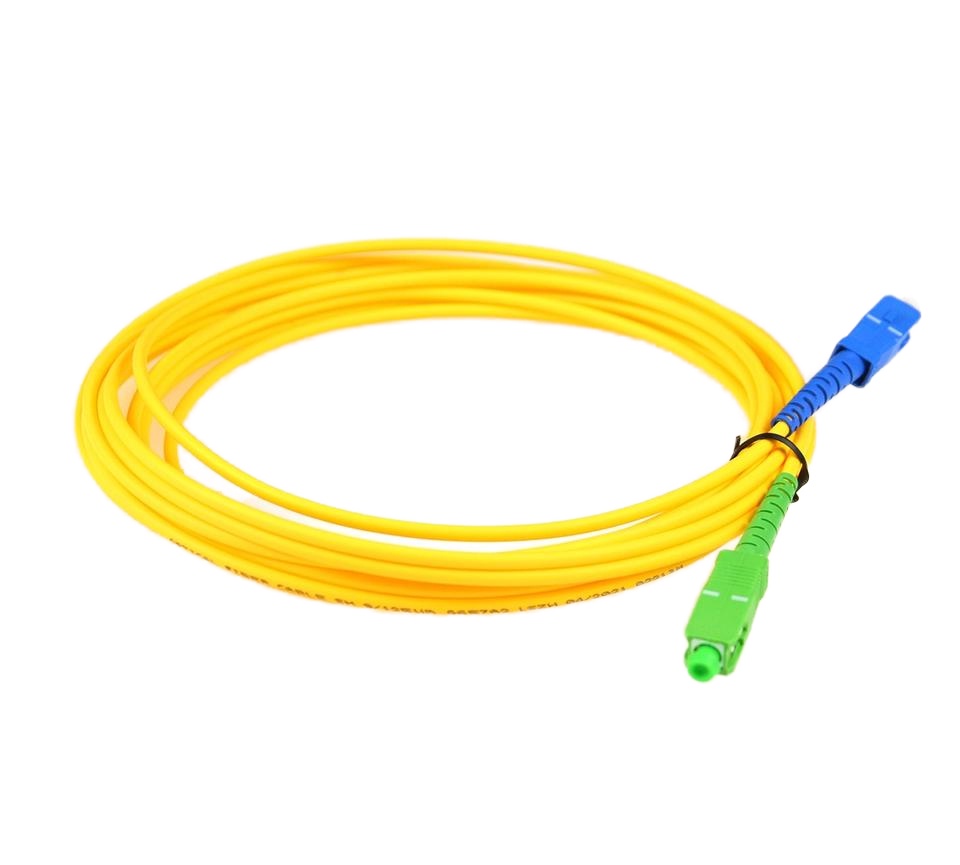
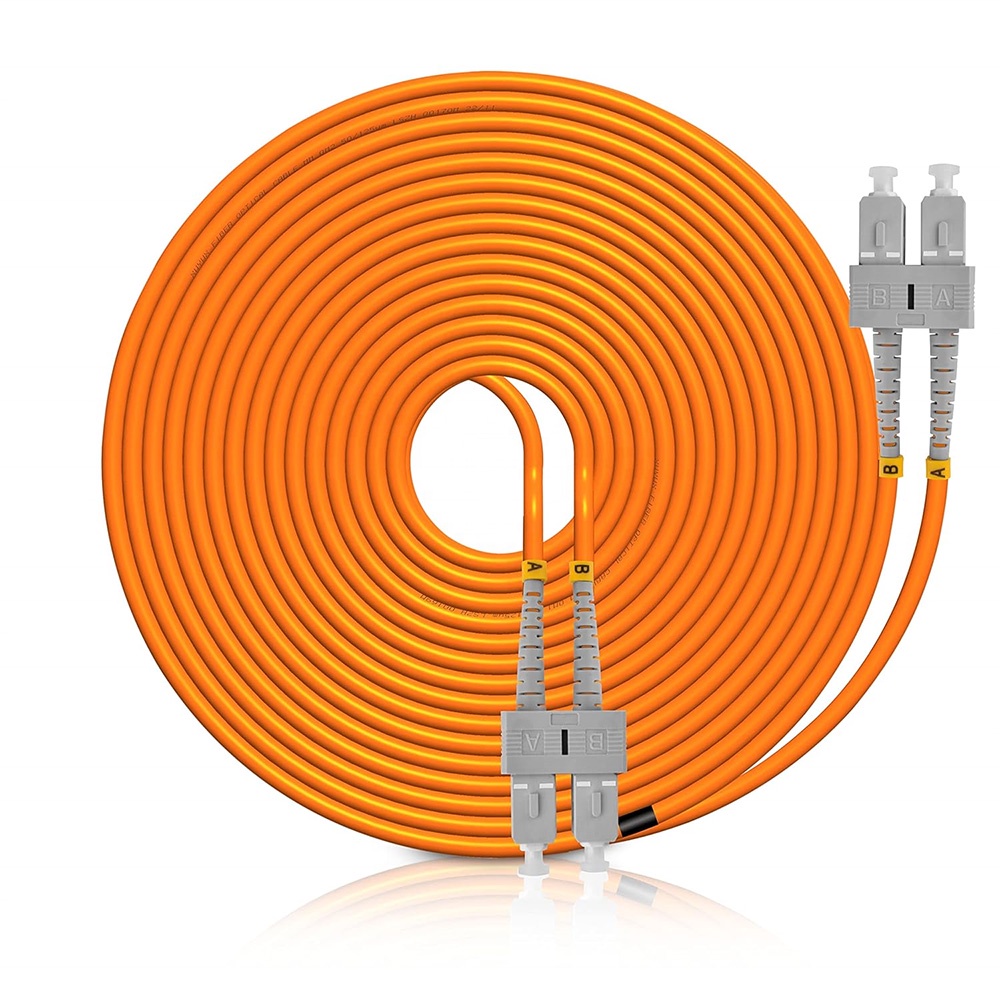
 LF005 Wholesale Optical Fiber Jumper Patch Cord Sc APC UPC 3M 2M 1M
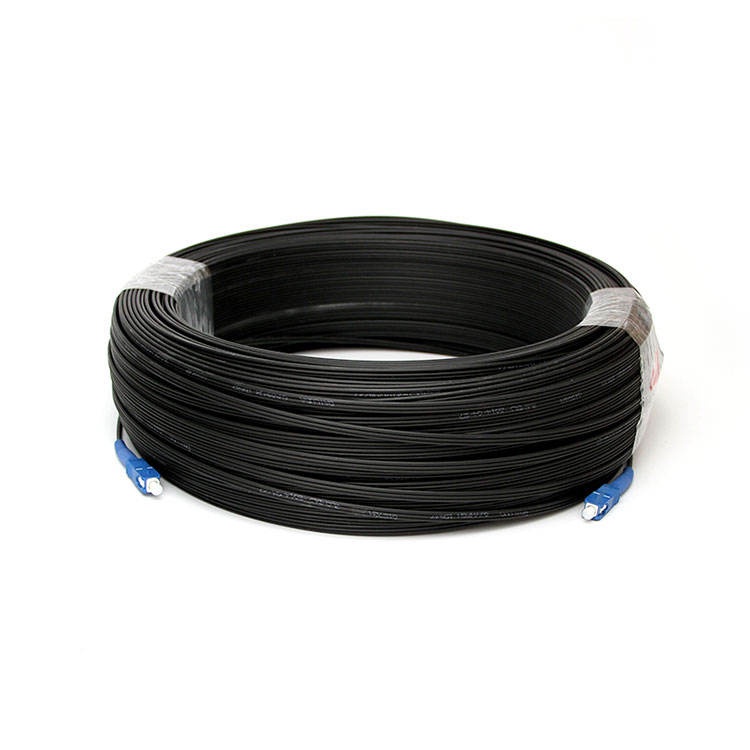
 LF001 Single Mode G.657A SC UPC to SC UPC FTTH Drop Cable Fiber Patch Cord
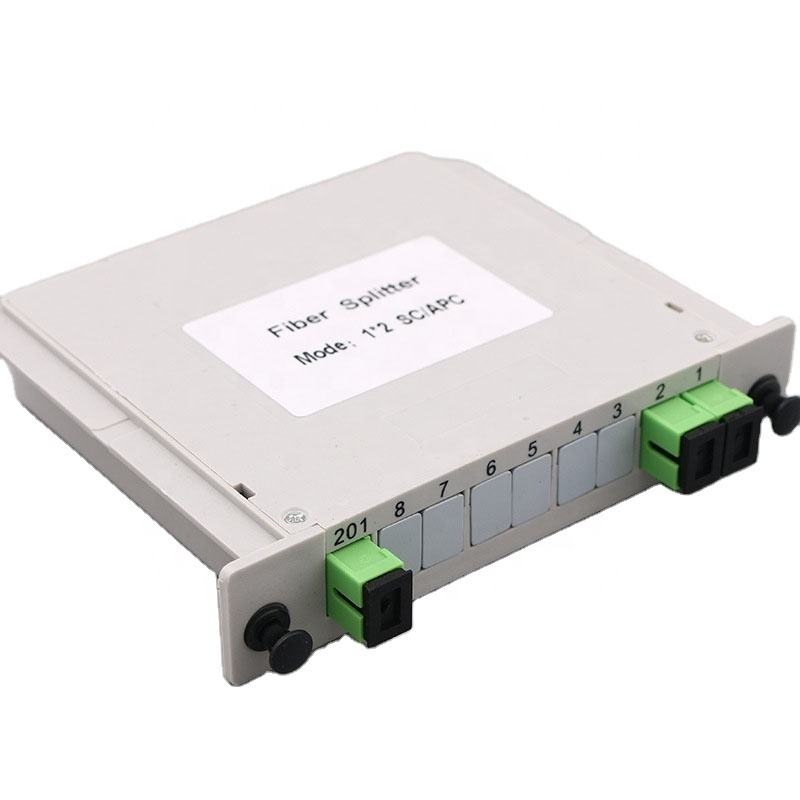
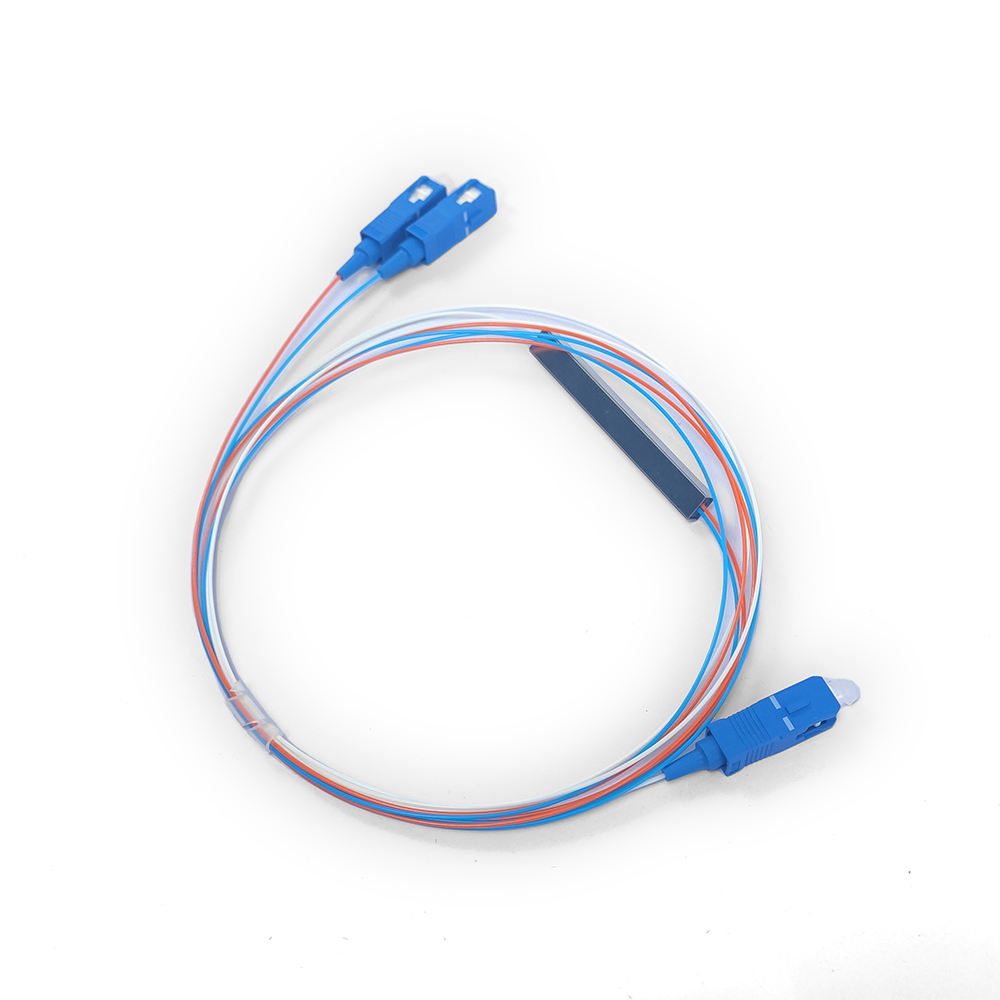
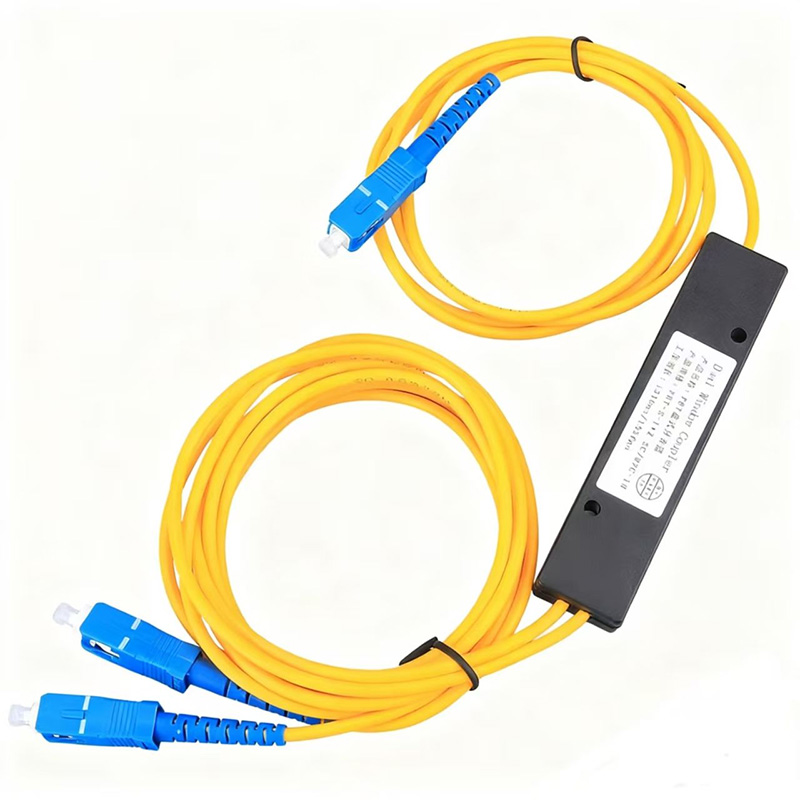
 LF012 PLC PON Fiber Optic Splitter SC/LC/FC/ST for FTTH Solutions
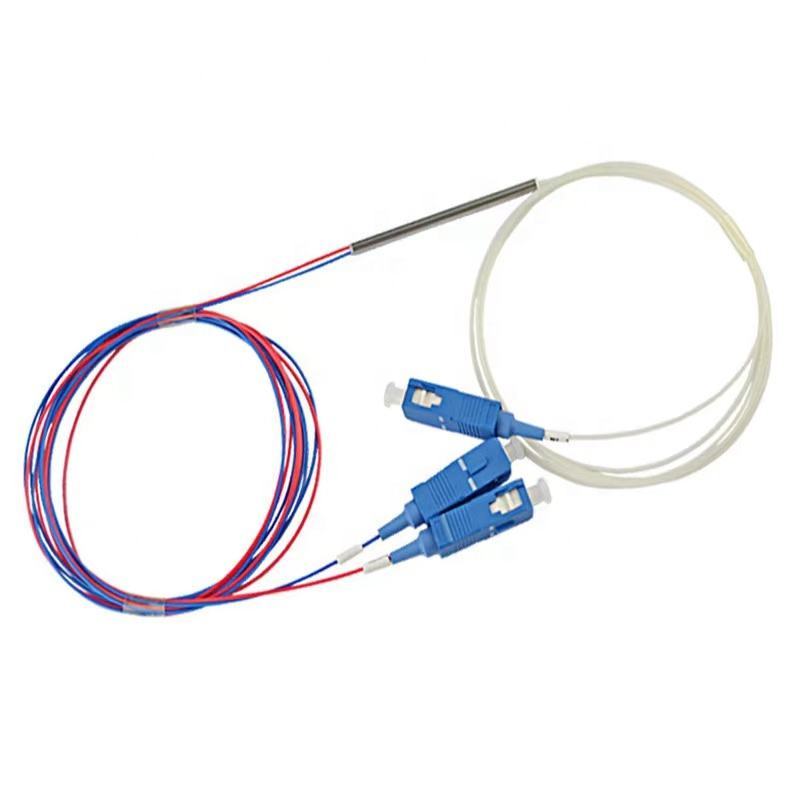
 LF016 Mini PLC Fiber Optic Splitter Blockless Series 1×2/1×4/1×8/1×16
 LF020 Splice Pigtailed PLC Splitter ABS Box Single Mode FTTH Optical Coupler
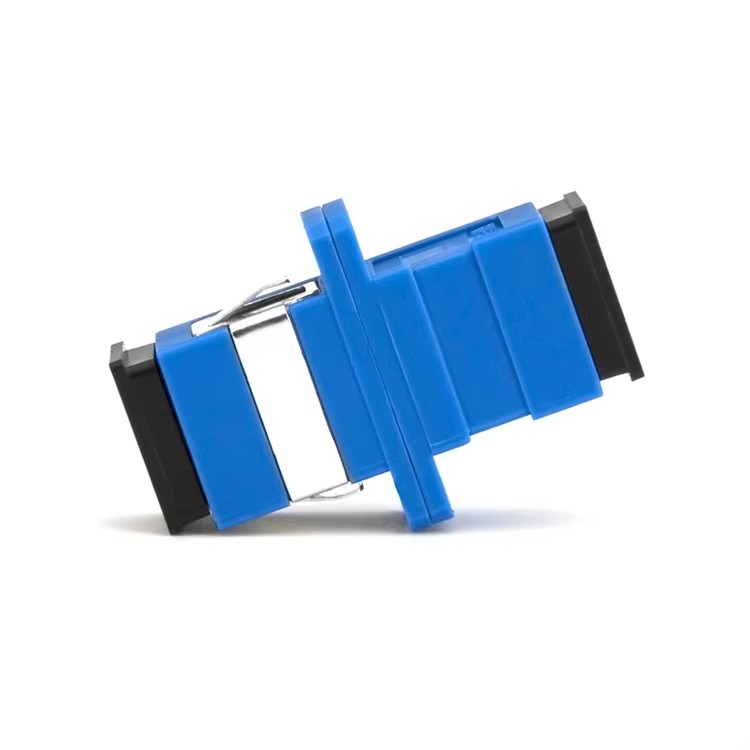
![LF028 LC SC FC fiber optic adapter flange coupler for single mode multimode links]() LF028 LC/SC/FC Fiber Optic Flange Connectors Single Mode Multimode Fiber Optic Coupler
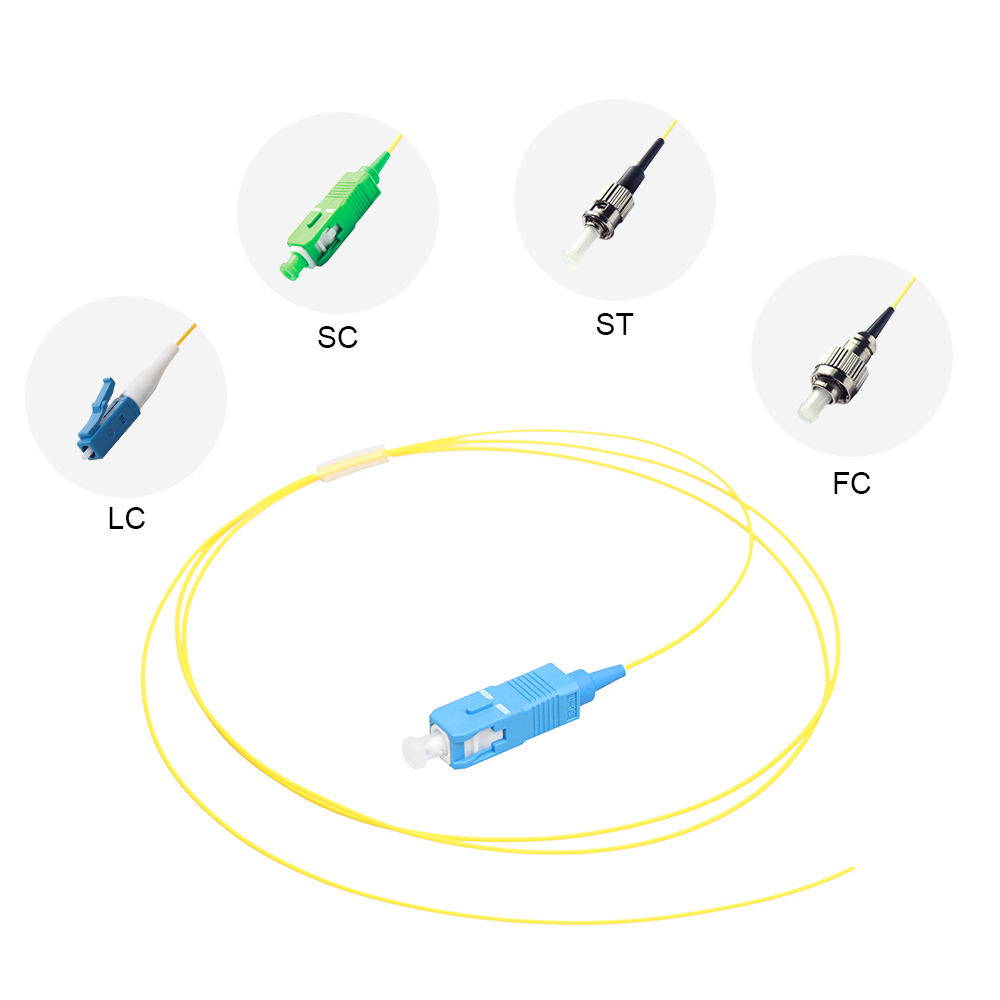
LF028 LC/SC/FC Fiber Optic Flange Connectors Single Mode Multimode Fiber Optic Coupler LF031Fiber Optic Pigtail Single Core & 12 Core Bundle 0.9mm 1.5m G.652D Single Mode
 LF009 Multimode Fiber Patch Cords OM3 SC LC 50/125μm Low Insertion
 LF022 Custom Split Ratio Non-uniform FBT Fiber Splitter 1310/1550nm Dual Window Low Loss
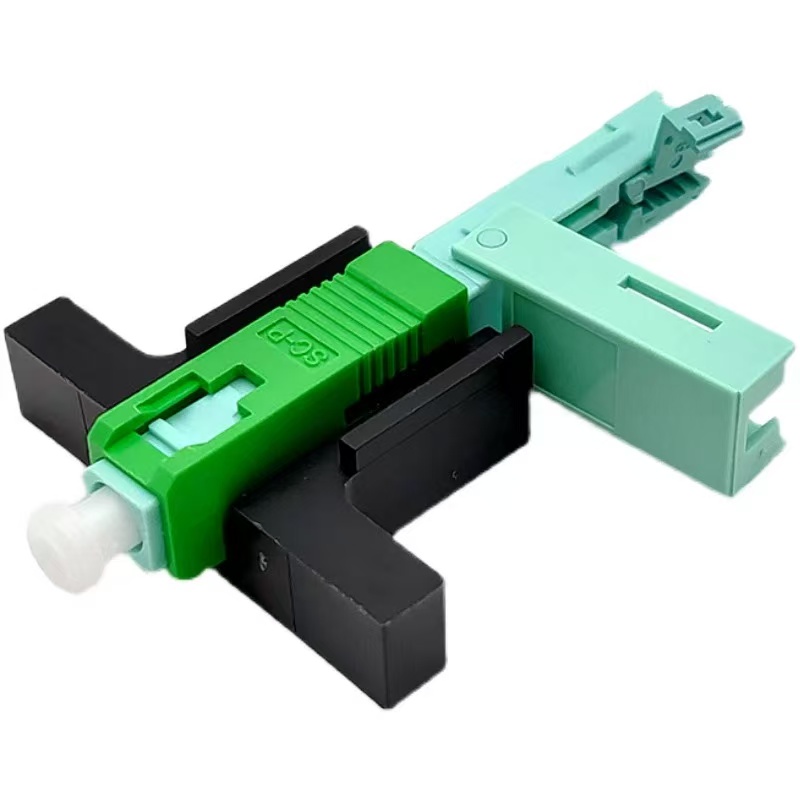
 LF025 FTTH Fiber Optic Aircraft Fast Connector
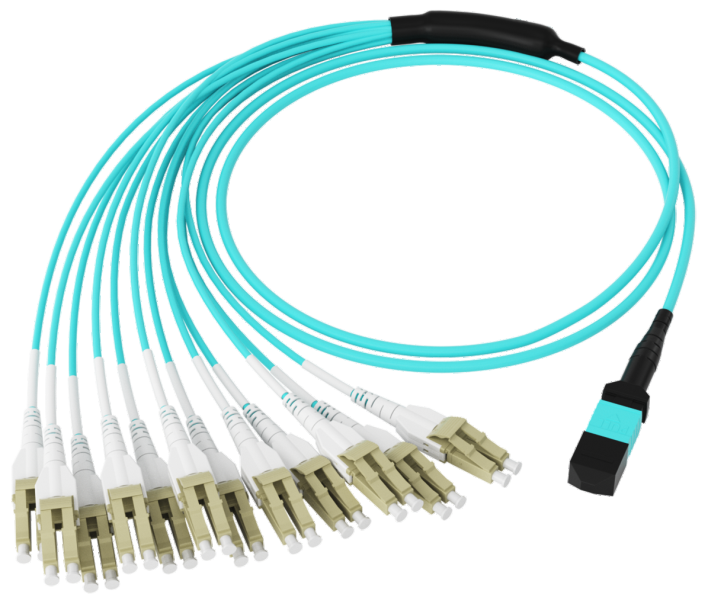
 LF104 High-Density MPO Patch Cable
 LF002 Single-mode Fiber Optic Patch Cord Simplex Duplex SC/FC/LC 2.0mm 3.0mm LSZH PVC

Professional Consultation
If you are interested in our products and would like to know more details, please leave a message here, and we will get back to you as soon as possible.


