

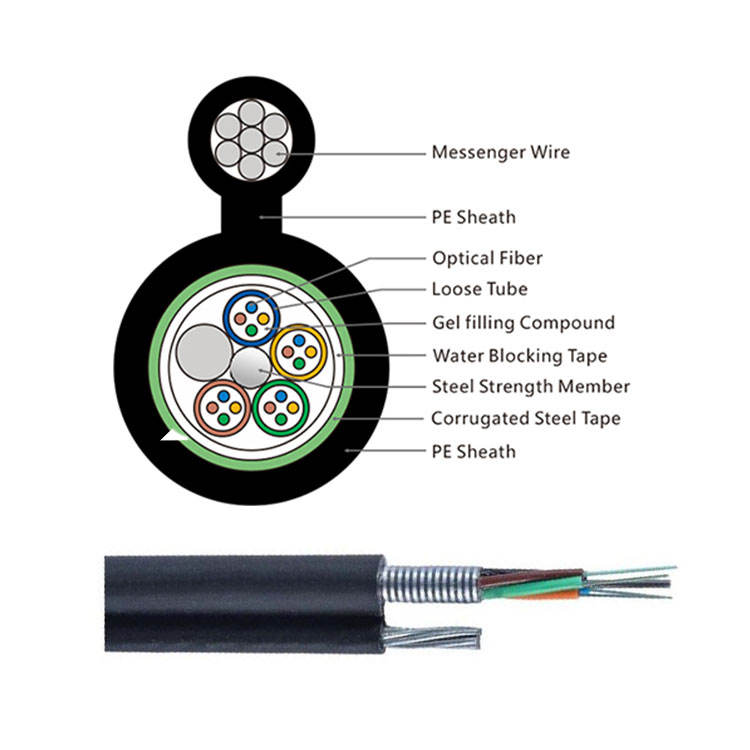
GYXTW armored fiber optic cable cutaway with colored fibersSEO

LF088 GYXTW Armored Fiber Optic Cable 2-144 Core

Available Specifications:

Fiber Count: 2, 4, 6, 8, 12, 24 Core

Fiber Type: Single-mode (G.652A/D, G.657A1/B3)

Sheath Material: LSZH, PVC 

Custom fiber counts and jacket materials available upon request.

Share on

Product Description

GYXTW Armored Fiber Optic Cable Guide for 2-144 Core Outdoor Routes

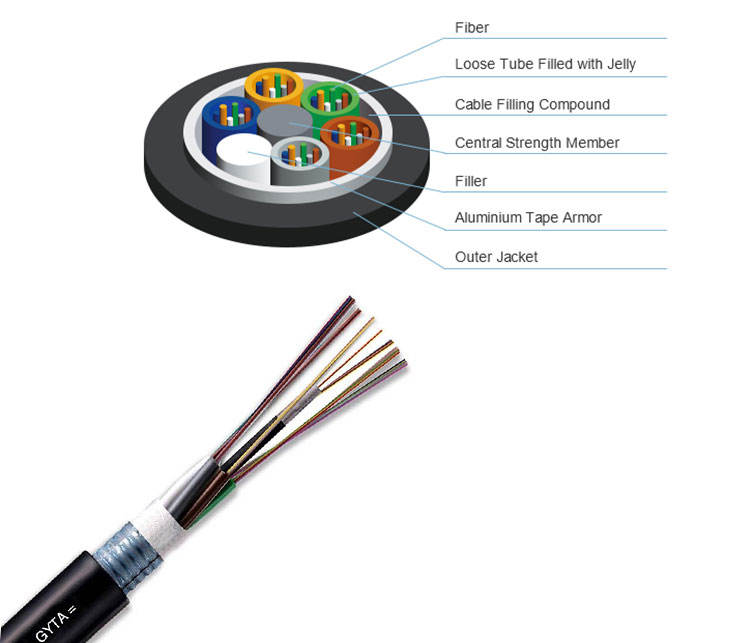
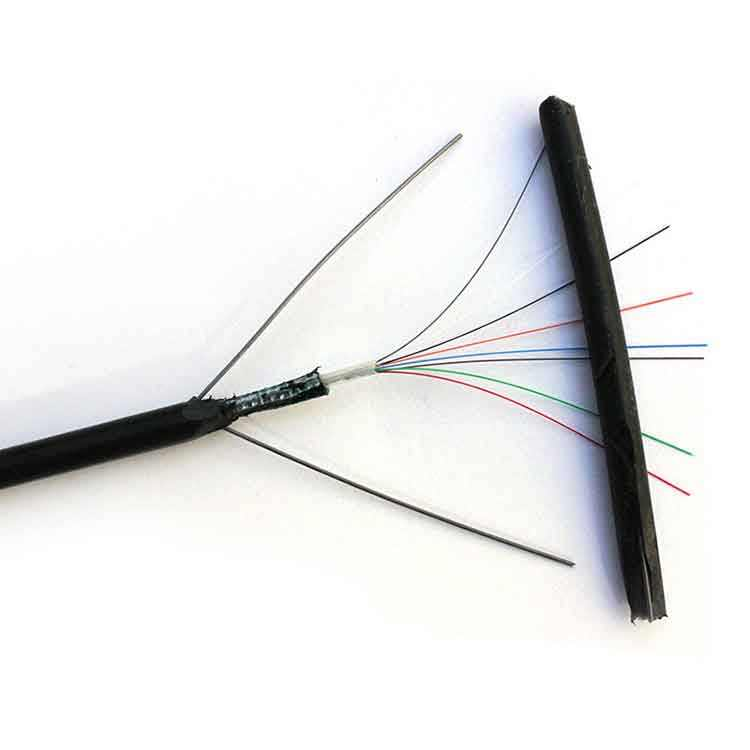
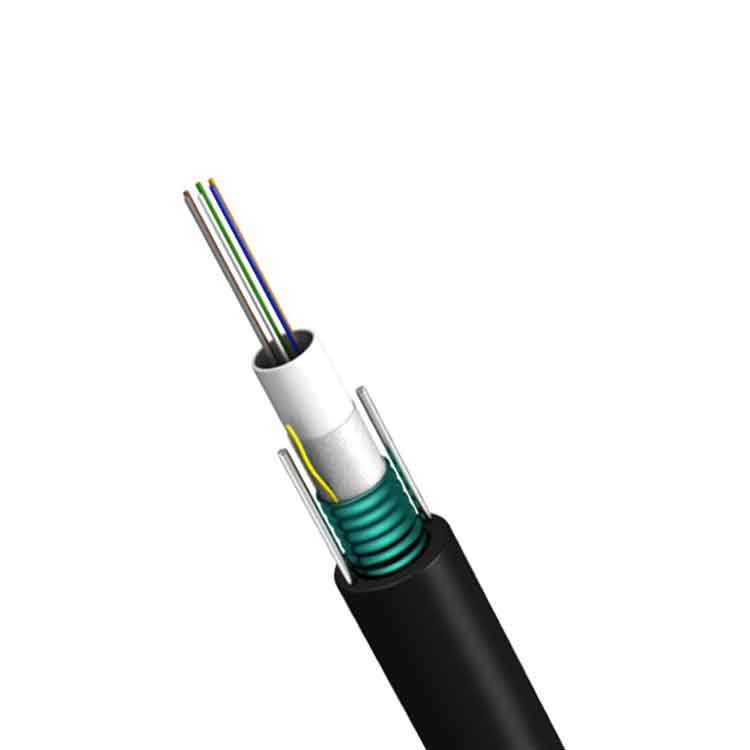
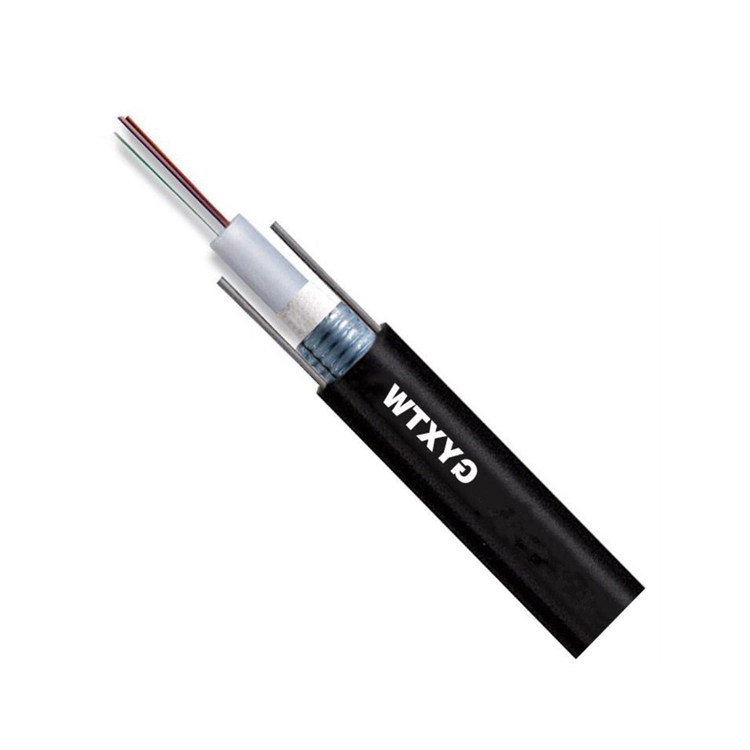
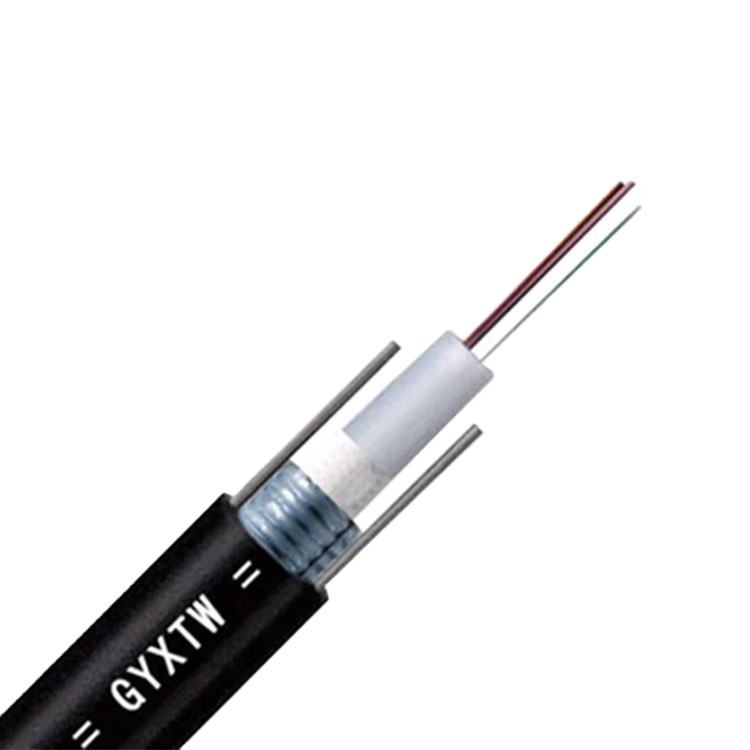
GYXTW armored fiber optic cable is an outdoor central loose-tube cable with water-blocking material, steel-tape protection and two parallel steel strength members under the outer sheath. It is used for access, distribution, duct and specifically engineered supported routes where a compact armored construction is preferred. LinkFiber can supply 2-144 cores, with higher-core versions produced against an approved structure drawing.

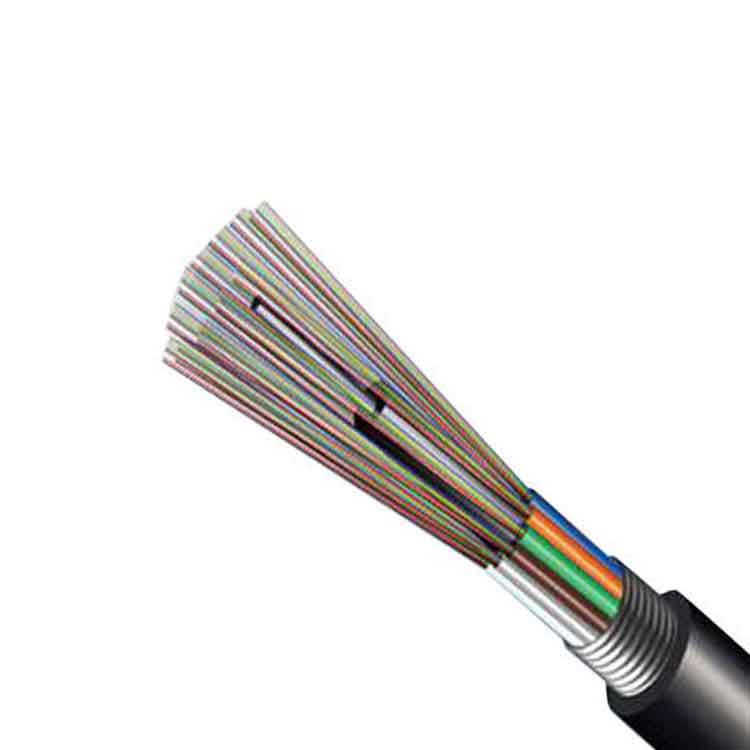
Standard central-tube GYXTW configurations are commonly selected in the 2-24 core range. A 48-144 core requirement can change the tube, sub-unit or overall design, so buyers should not assume that every high-count product has the same diameter, weight or mechanical values as a 12-core sample. The quoted cross-section must show the steel tape, parallel wires, water blocking and requested sheath.

Where GYXTW Armored Cable Fits

Route or project needWhy this construction fitsInformation required before quotation
Outdoor access or distribution ductCompact central tube and steel tape protect the fibre unit.Duct size, pulling length/tension, water and bend limits.
Campus or industrial routeArmored outdoor construction supports protected backbone links.Route exposure, termination, grounding and fire transition.
Supported/lashed aerial routeCan be used when a separate support system is engineered.Support strand, lashing, span and clamp design.
2-144 core custom projectCapacity can be matched through model-specific construction.Exact high-count drawing, diameter, weight and mechanical values.

Understanding Steel Tape, Parallel Wires and High-core Designs

  • Central loose tube: fibres are placed in a filled tube with controlled excess length. The tube design for 2-24 cores should not be assumed to scale unchanged to 144 cores.
  • Steel-tape layer: corrugated or plastic-coated steel tape provides mechanical and moisture-related protection, but its exact form, coating and overlap must be shown on the drawing.
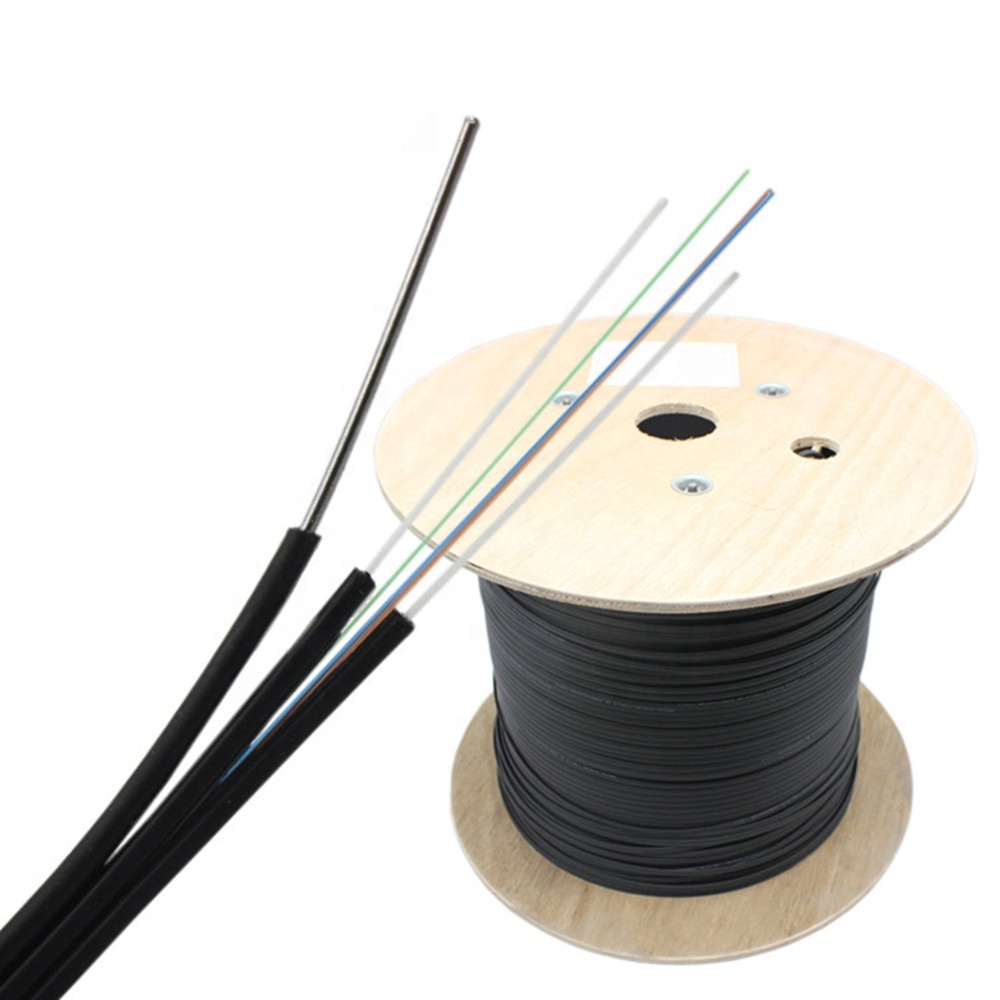
  • Two parallel steel wires: these members add tensile support along the cable. They also make the cable metallic, so grounding, lightning and corrosion requirements may apply.
  • Outer sheath by project: PE/HDPE is the normal outdoor option; LSZH, PVC or another material is supplied only after the route and destination requirement are reviewed.
  • Route approval remains essential: standard GYXTW is not automatically suitable for self-supporting spans or every direct-burial condition.

Technical Specifications and Orderable Options

ParameterOffered configurationProfessional procurement note
Product typeGYXTW central loose-tube armored outdoor cableSteel tape plus two parallel steel strength members
Fibre count2-24 cores standard; 48-144 cores customizedApprove exact high-count construction
Fibre optionsG.652.D standard; G.657 options by confirmationState attenuation and certificate requirement
Core designFilled central loose tubeHigh-count versions may use a model-specific arrangement
Water blockingTube filling and cable water-blocking materialsSpecify water-penetration acceptance
Steel protectionCorrugated/plastic-coated steel tapeConfirm material, coating, overlap and corrosion protection
Strength membersTwo parallel steel wiresDiameter and position shown on cross-section
Outer sheathPE/HDPE standard; LSZH, PVC or other material on requestSelect by environment and document coverage
Operating temperatureReference -40°C to +70°CFinal model/datasheet governs
Storage temperatureReference -50°C to +80°CConfirm reel and storage conditions
Diameter/weightBy core count and approved constructionCritical for pulling, clamps, drum and freight
Long-/short-term tensile600 / 1,500 N typical referenceConfirm exact high-count value
Long-/short-term crush300 / 1,000 N per 100 mm typical referenceTender value must state test method
Minimum bend radiusStatic at least 10D; installation at least 20D typicalCalculate from approved finished-cable diameter
InstallationDuct and specifically supported/lashed outdoor routesNot self-supporting by default
Burial useOnly with route-approved constructionReview soil, water, crush and rodent conditions
Optical testContinuity and attenuation at agreed wavelengthsPer-reel report by agreement
Cable markingSequential metres, model/count and OEM printApprove marking before production
Reel lengthCustom by route and logisticsCoordinate splice sections and drum limits
Standards/documentsIEC 60794-3/60794 series and applicable YD/T; CE/RoHS/CPR where coveredConfirm exact product/destination scope
Customization2-144 cores, fibre, steel arrangement, sheath, mechanics, reel, print and packingFinal order follows approved drawing

GYXTW Route and Acceptance Decisions That Prevent Misquotation

Decision or riskWhy it mattersControl before order
High-count cable quoted from low-count sampleThe actual structure, size and mass may be different.Approve the exact 48/96/144-core drawing and datasheet.
Steel tape described only as “armored”Coating, thickness and overlap may vary across suppliers.Put the full material/structure in the BOM.
Parallel wires mistaken for aerial messengerThey do not automatically create a self-supporting figure-8 cable.Use a supported route or choose GYTC8S/ADSS.
Standard model assumed burial-readySoil, rodents, water and crush can exceed the design.Select a purpose-designed buried variant.
Jacket changed without retesting scopeFire, UV, temperature and document claims may change.Verify the exact sheath and certificates.
10D/20D applied to wrong diameterCustom high-count OD changes the absolute radius.State OD and bend values on the final datasheet.

Pre-shipment Quality and Acceptance Plan

  1. Drawing verification: confirm tube/high-count arrangement, steel tape, parallel wires, water blocking and sheath.
  2. Optical check: continuity, attenuation and fibre colour code by reel.
  3. Mechanical check: diameter, mass, tensile, crush and finished-cable bend values.
  4. Water/sheath check: required water-penetration evidence, sheath surface, print and sealed ends.
  5. Reel release: length, drum, gross/net weight, lot/test mapping and export marks.

For repeat orders, the approved construction drawing, cable print, reel schedule and test-report template should be retained as controlled references. A generic model name is not sufficient evidence that a later batch uses the same fibre, tube layout, strength system, sheath or mechanical grade.

B2B Buyer Guide: Information Required for an Accurate Quote

  • Fibre count and whether 2-24 standard or 48-144 customized construction is needed.
  • Fibre category, colour code and optical acceptance.
  • Duct, supported aerial, burial or other route details.
  • Steel-tape/parallel-wire drawing and required corrosion protection.
  • Sheath material, UV/fire/environmental requirement and documents.
  • Tensile, crush, bend, water and temperature acceptance values.
  • Diameter/weight limit, reel schedule, print, quantity and destination.
  • Required reports, certificates and related closure/distribution BOM.

When to Choose a Different Cable Construction

  • Choose GYTA when a stranded loose-tube high-count backbone construction is preferred.
  • Choose GYTC8S for an integrated steel-messenger figure-8 aerial route.
  • Choose ADSS for all-dielectric self-supporting aerial installation.
  • Specify a heavier burial/rodent-protected cable when direct burial conditions demand it.

MOQ, Samples, Lead Time and Packing

Commercial itemStandard arrangement
MOQ1 km or project-based quantity; specifications can be customized according to customer requirements
SamplesAvailable according to customer requirements for construction, stripping, installation and optical approval
Lead timeNormally 5-10 days after the technical specification, cable marking and commercial terms are confirmed
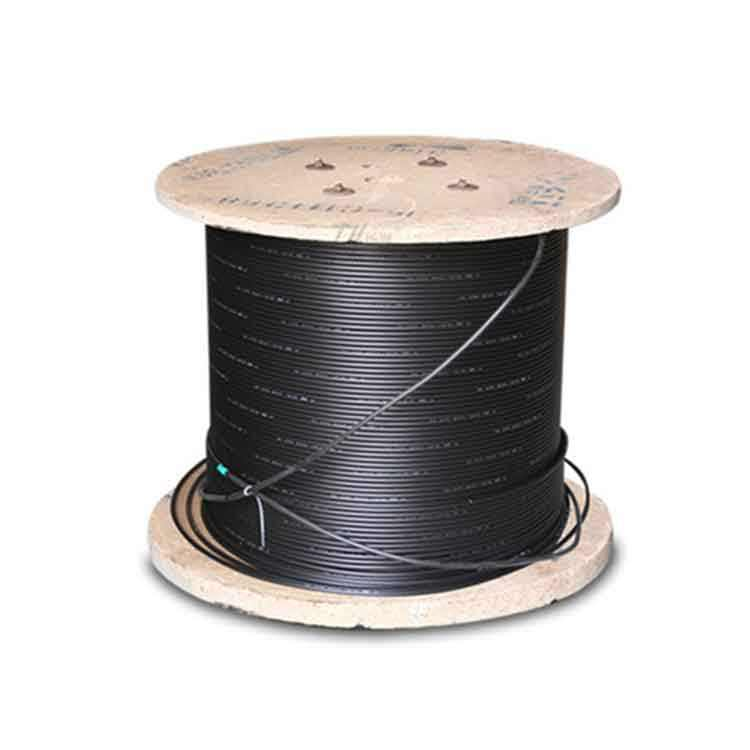
PackingWooden reel, carton or project-specified export packing according to cable size and reel length
CustomizationFibre count, fibre type, construction, mechanical grade, sheath, reel length, printing, documents and packing

Related Cable and Network Components

Compare the approved GYXTW design with GYTA stranded loose-tube cable, GYTC8S figure-8 cable and ADSS aerial cable. For a 48-144 core project, always request the exact construction drawing before price comparison.

FAQ
Q:

Can GYXTW cable be customized from 2 to 144 cores?

A:
Yes. 2-24 cores are common central-tube configurations; 48-144 cores require an approved model-specific drawing. Fibre type, tube/sub-unit layout, steel tape, parallel wires, PE/LSZH/PVC sheath, diameter, weight, mechanics, marking, reel and packing can be customized.
Q:

What is the difference between GYXTW and GYTA cable?

A:
GYXTW normally uses a central loose tube, steel tape and two parallel steel wires. GYTA uses a stranded loose-tube core with an aluminium-polyethylene laminate moisture barrier and commonly serves higher-count or longer duct routes. Neither should be assumed direct-burial or self-supporting without the approved design.
Q:

Should GYXTW use PE, LSZH or PVC sheath?

A:
PE is the common outdoor sheath because of moisture and UV performance. LSZH or PVC can be supplied for a project-specific environment, but the selected compound must match fire, smoke, UV, temperature and local compliance requirements. Confirm the material on the approved datasheet.
Q:

What is the MOQ, sample policy and lead time for GYXTW cable?

A:
The standard MOQ is 1 km. Samples can be provided according to the buyer’s construction and test requirements. Normal lead time is 5-10 days after the 2-144 core structure, sheath, mechanical values, print, reel schedule and commercial terms are confirmed.
Q:

Can standard GYXTW be used for direct burial or self-supporting aerial installation?

A:
Not automatically. Standard GYXTW suits ducts and engineered supported routes. Parallel steel wires do not create an aerial messenger, and steel tape alone does not guarantee every burial or rodent condition. Provide soil, water, crush, rodent and span data for an approved design.
Q:

What do the steel tape and two parallel steel wires do in GYXTW?

A:
The steel-tape layer provides mechanical and moisture-related protection around the central tube. Two parallel steel wires add longitudinal tensile support. Their material, diameter, position, coating and corrosion requirements should appear on the approved cross-section.
Inquiry

To learn more about this product, you can submit your requirements here.
Send Inquiry Now
Recommended Products