


‹
›
‹
›
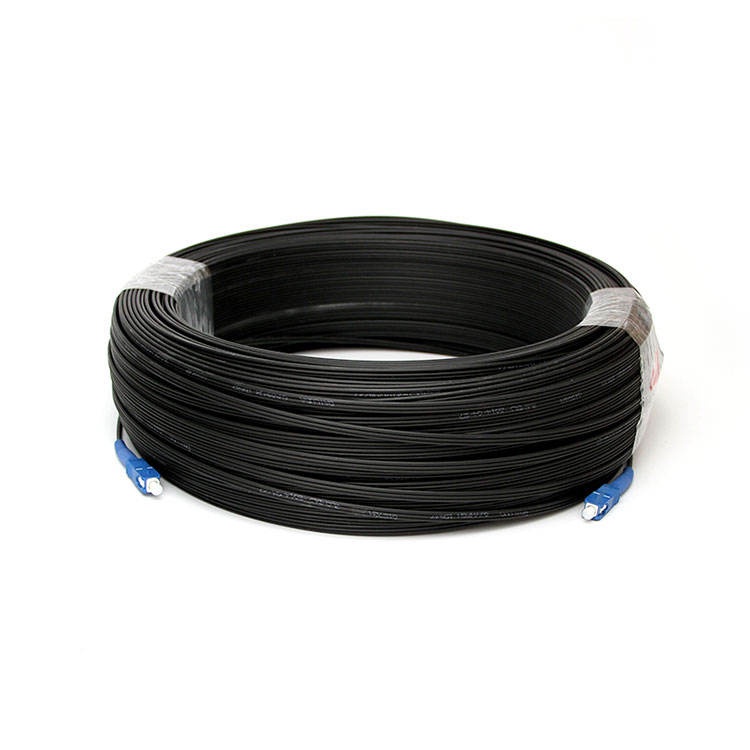
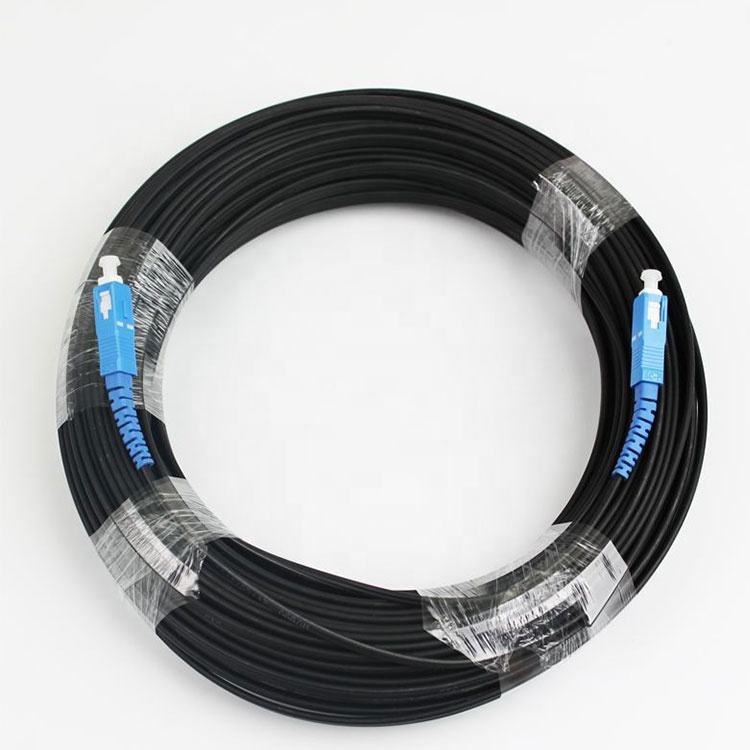
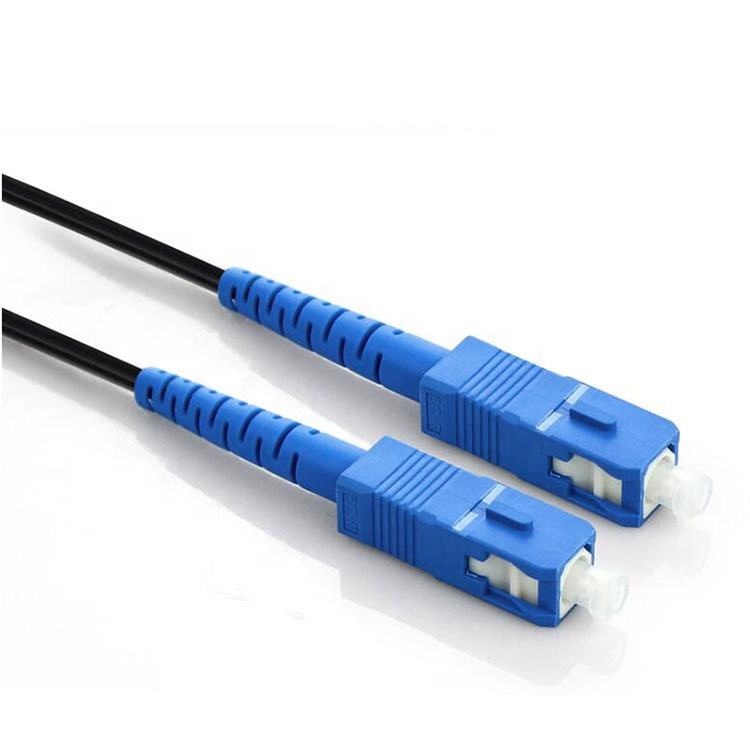
LF001 Single Mode G.657A SC UPC to SC UPC FTTH Drop Cable Fiber Patch Cord
Share on





SC UPC G.657A FTTH Drop Cable Patch Cord for Reliable ONT Connections
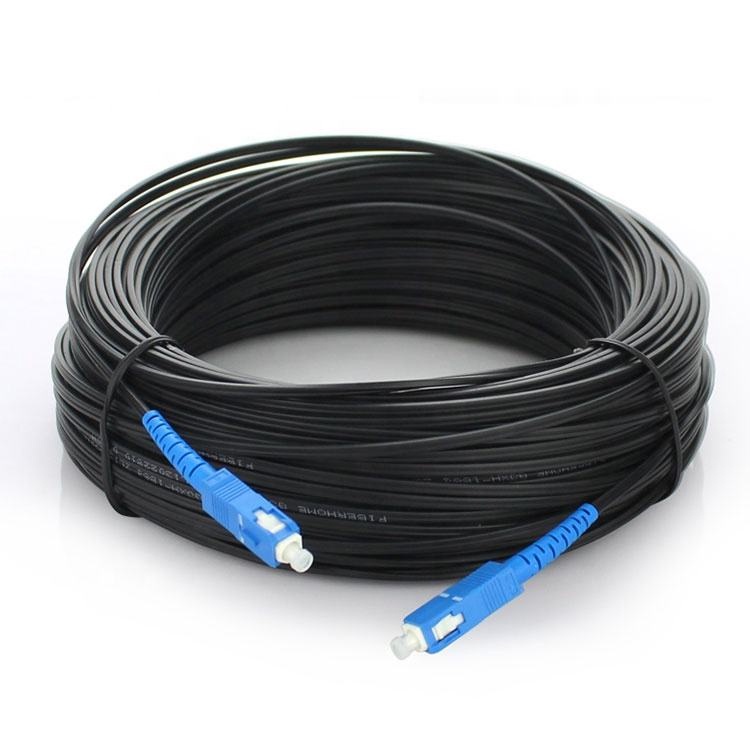
LinkFiber LF001 is a factory-terminated single-mode G.657A FTTH drop cable patch cord with SC UPC connectors at both ends. It is intended for the final access segment between an optical terminal box, wall outlet, distribution point or adapter and the subscriber ONT. Compared with a conventional round indoor jumper, a drop-cable assembly can provide a structure better matched to fixed access wiring, while factory termination reduces field polishing and connector-assembly variability.
For B2B projects, the product should not be ordered by connector name alone. The correct quotation must also define the G.657 fibre grade, drop-cable cross-section, strength-member material, jacket, route, finished length, optical acceptance limits, labelling and packing. LinkFiber can configure these items according to the approved sample and purchase specification.
Where LF001 Fits in an FTTH Link
Fibre, Connector and Cable Decisions
- G.657A1 or G.657A2: both are bend-insensitive single-mode fibres compatible with G.652.D transmission and interconnection requirements. ITU-T G.657:2024 gives minimum fibre design radii of 10 mm for A1 and 7.5 mm for A2. These are fibre-category references, not permission to bend the finished patch cord to the same radius; the cable construction and supplier installation limit still control.
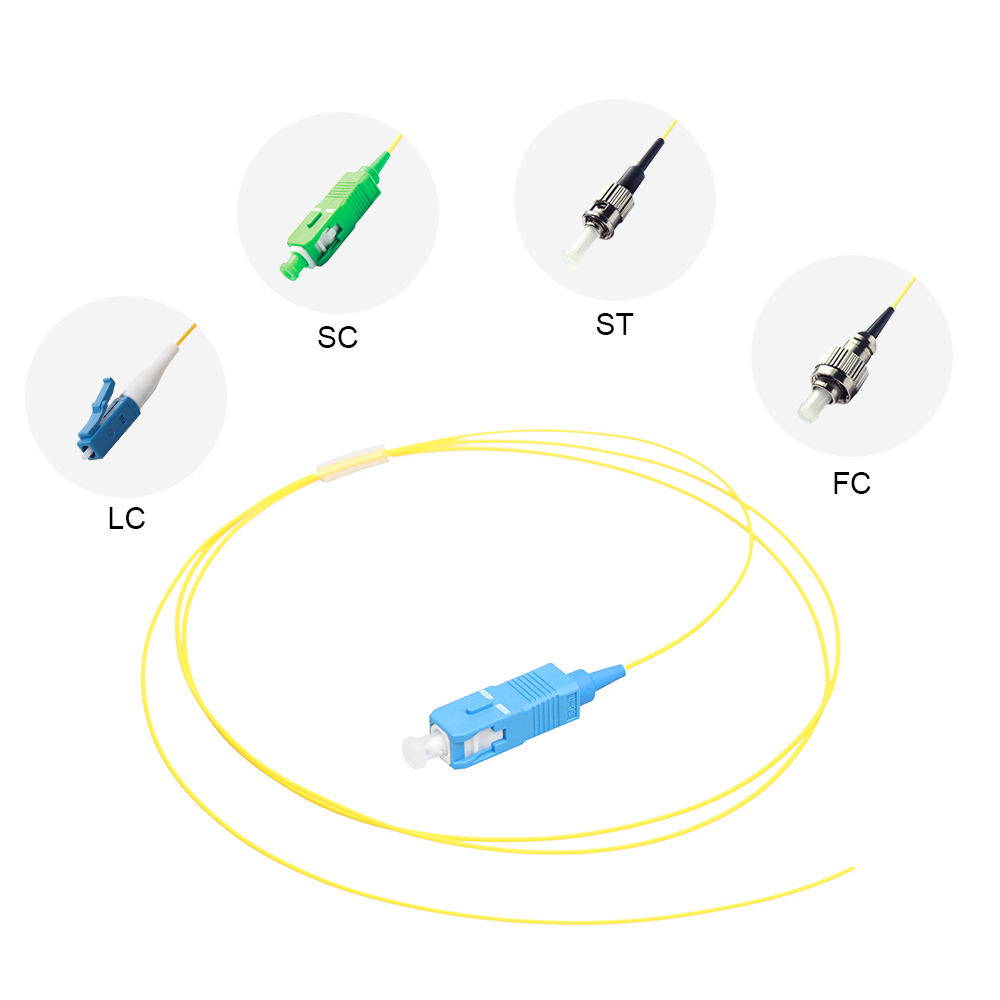
- SC UPC must match SC UPC: the SC interface uses a nominal 2.5 mm ferrule and push-pull coupling. UPC and APC polish types should not be directly mated, even though the connector shells may fit, because the end-face geometries are different and can cause excessive loss and reflectance.
- Indoor, outdoor or self-supporting drop: white LSZH/PVC structures are commonly selected for protected indoor routes. Black, UV-resistant or messenger-supported constructions must be specifically requested for exposed routes. Cable photographs, cross-section and dimensions should be approved before production.
- FRP or steel reinforcement: FRP supports an all-dielectric requirement; steel reinforcement can provide a different mechanical design but means the assembly is no longer fully dielectric. The choice should follow the route, pulling method and operator specification.
- Finished length: order length should include routing, termination position and a controlled service loop. Excessive stored coil diameter can create bend loss, while insufficient length leads to field extension and extra connection points.
Technical Specifications and Orderable Options
Why Generic “Low Loss” Wording Is Not Enough
Two assemblies can both be described as low loss yet be accepted under different limits, wavelengths and sampling plans. A professional RFQ should state the maximum insertion loss per finished assembly, the minimum return loss for the UPC interface, the test wavelength, whether testing is 100% or sampled, and the required report format. Connector end-face cleanliness should be checked before optical testing because contamination can create unstable results or damage the mating interface.
IEC 61300-3-35:2022 classifies end-face debris, scratches and defects, but the standard explicitly treats visual inspection as additional to—not a replacement for—attenuation and return-loss measurement. For repeat orders, retain the approved sample, cable cross-section, connector grade and report template as the production reference.
Common Field-Failure Risks and How to Prevent Them
Pre-shipment Quality and Acceptance Plan
- Configuration check: verify SC UPC on both ends, selected fibre grade, cable cross-section, strength member, jacket, colour and finished length against the approved order sheet.
- End-face control: inspect connector cleanliness and defects to the agreed visual criteria; clean and re-inspect where necessary.
- Optical verification: test continuity plus insertion loss and return loss at the agreed wavelength and acceptance limits.
- Mechanical and visual check: confirm strain relief, boot orientation, jacket condition, printed marking, dust caps and connector protection.
- Packing traceability: match product labels, quantity, lot identification, carton marks and requested test data before shipment.
Testing scope can be arranged as 100% inspection or an agreed sampling plan. Buyers should request the sample report format before mass production when serial number, QR code, operator code or project-specific traceability is required.
B2B Buyer Guide: Information Required for an Accurate Quote
- Application route: indoor, protected outdoor, exposed outdoor, duct pulling or self-supporting aerial drop.
- Port interface at both ends: SC UPC for LF001; provide equipment or adapter photos if the polish type is uncertain.
- Fibre grade: G.657A1 or G.657A2, plus any operator-approved fibre brand or certificate requirement.
- Drop-cable drawing: cross-section, dimensions, number and material of strength members, messenger requirement and jacket compound.
- Finished length, length tolerance, quantity by length and service-loop requirement.
- Optical acceptance: maximum insertion loss, minimum return loss, wavelengths, inspection standard and sampling level.
- Compliance package: specify the exact CE, RoHS, CPR, IEC, YD/T or tender file required for the destination and ordered construction.
- Labelling and packing: project name, operator logo, barcode, lot number, inner-pack quantity and export carton mark.
When to Choose a Different Assembly
- Choose an SC APC drop patch cord when the ODN, splitter or terminal port is APC. Do not solve an APC requirement with a UPC adapter connection.
- Choose a conventional round patch cord when the lead is frequently moved inside a cabinet and a flexible equipment-jumper construction is more appropriate.
- Choose a self-supporting outdoor drop cable assembly when the route includes an aerial span; state the span, loading and messenger structure.
- Choose a field-installable fast connector or fusion-spliced pigtail when the route cannot pass a pre-terminated SC connector head.
MOQ, Samples, Lead Time and Packing
Related FTTH Components
Build a consistent access link by matching LF001 with SC fibre optic adapters, PLC PON splitters, FTTH distribution boxes and field-installable fast connectors. For a project quotation, send the port schedule, route environment, cable cross-section, length list and acceptance criteria so the complete passive-component set can be checked together.
What is the difference between an FTTH drop cable patch cord and a conventional round patch cord?
Which jacket and drop-cable structure should I specify for indoor or outdoor installation?
What optical tests and acceptance limits should a B2B buyer request for LF001?
Will an SC UPC LF001 patch cord connect to any SC adapter, terminal box or ONT?
Should an FTTH project use SC UPC or SC APC drop patch cords?
Can G.657A1 or G.657A2 fibre be bent to the same radius as the finished drop cable?
To learn more about this product, you can submit your requirements here.
 LF005 Wholesale Optical Fiber Jumper Patch Cord Sc APC UPC 3M 2M 1M
 LF001 Single Mode G.657A SC UPC to SC UPC FTTH Drop Cable Fiber Patch Cord
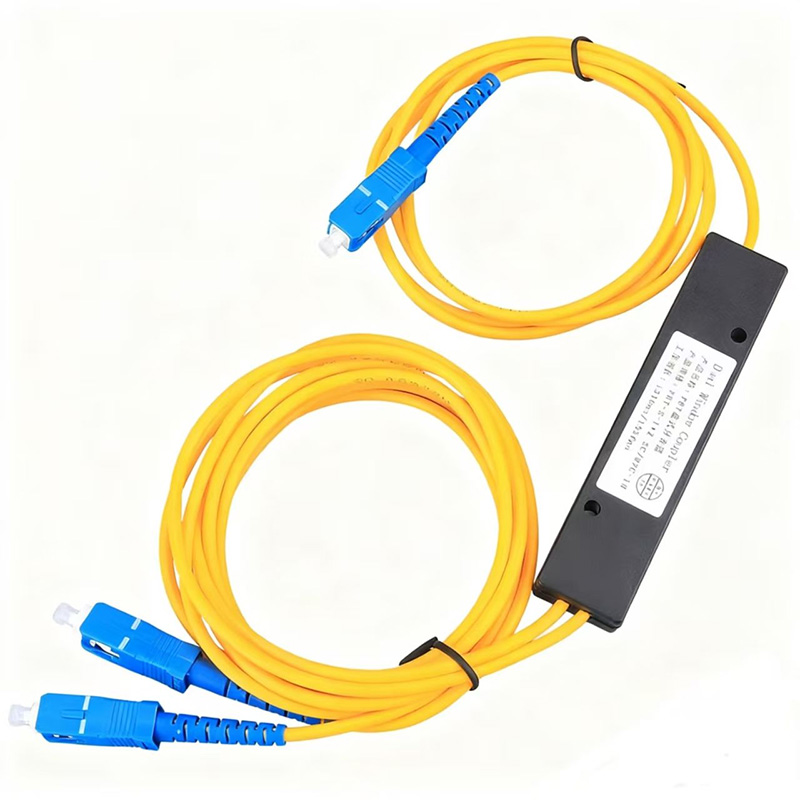
 LF012 PLC PON Fiber Optic Splitter SC/LC/FC/ST for FTTH Solutions
 LF016 Mini PLC Fiber Optic Splitter Blockless Series 1×2/1×4/1×8/1×16
 LF020 Splice Pigtailed PLC Splitter ABS Box Single Mode FTTH Optical Coupler
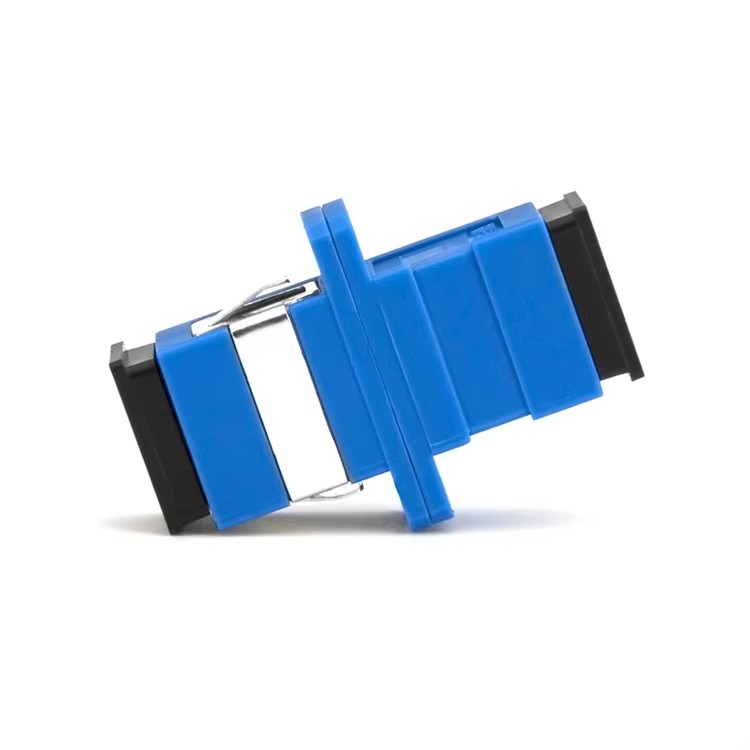
![LF028 LC SC FC fiber optic adapter flange coupler for single mode multimode links]() LF028 LC/SC/FC Fiber Optic Flange Connectors Single Mode Multimode Fiber Optic Coupler
LF028 LC/SC/FC Fiber Optic Flange Connectors Single Mode Multimode Fiber Optic Coupler LF031Fiber Optic Pigtail Single Core & 12 Core Bundle 0.9mm 1.5m G.652D Single Mode
 LF009 Multimode Fiber Patch Cords OM3 SC LC 50/125μm Low Insertion
 LF022 Custom Split Ratio Non-uniform FBT Fiber Splitter 1310/1550nm Dual Window Low Loss
 LF025 FTTH Fiber Optic Aircraft Fast Connector
 LF104 High-Density MPO Patch Cable
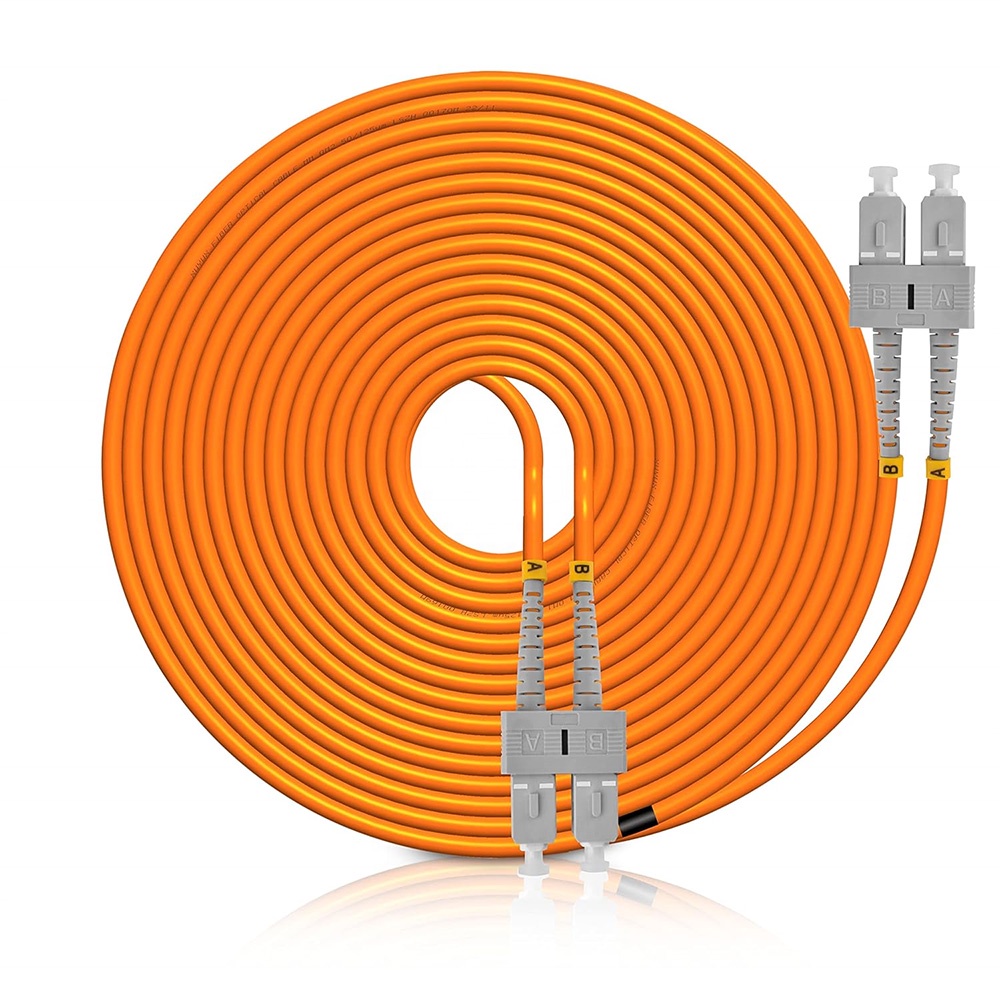
 LF002 Single-mode Fiber Optic Patch Cord Simplex Duplex SC/FC/LC 2.0mm 3.0mm LSZH PVC

Professional Consultation
If you are interested in our products and would like to know more details, please leave a message here, and we will get back to you as soon as possible.


