



‹
›
‹
›
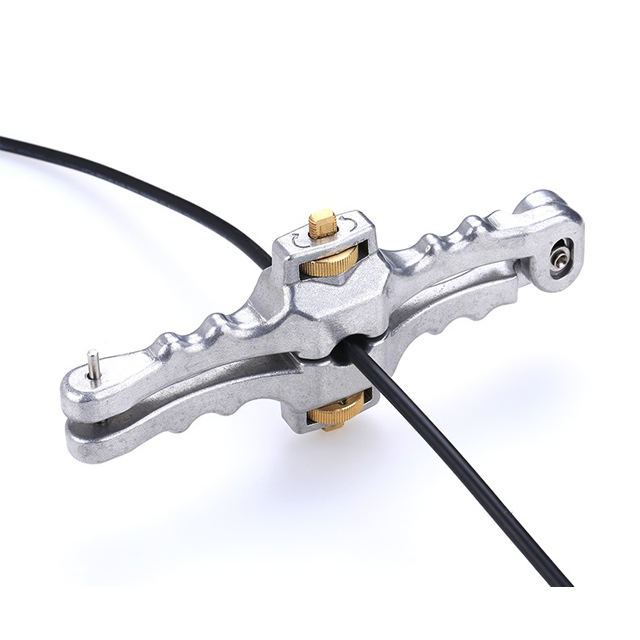
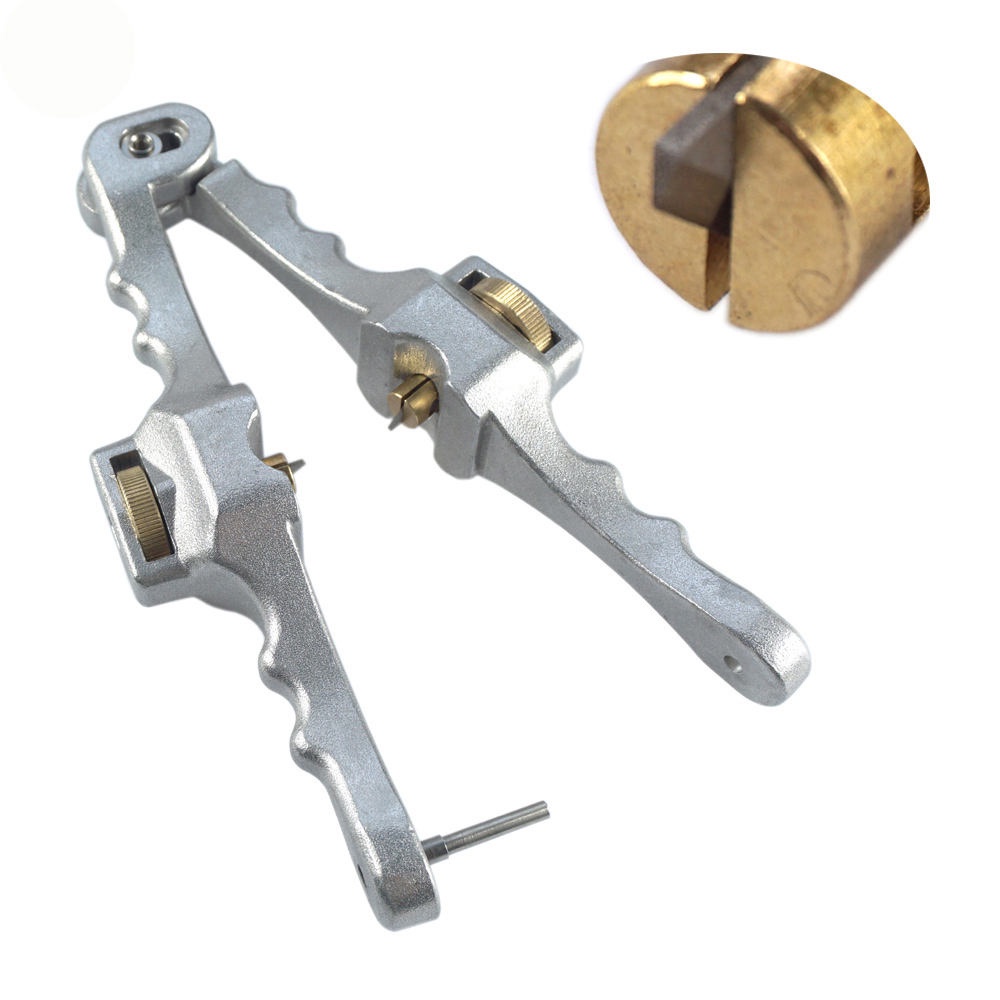
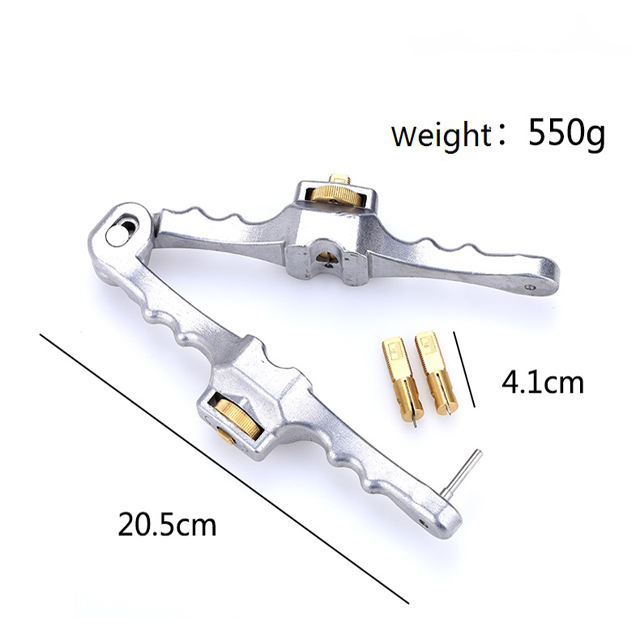
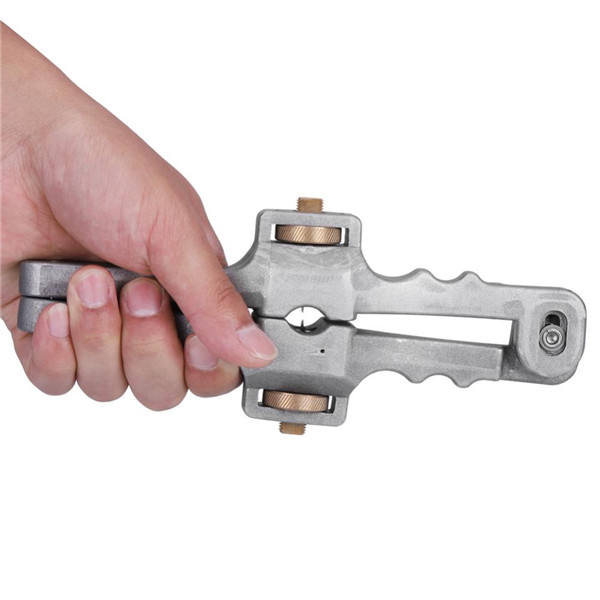
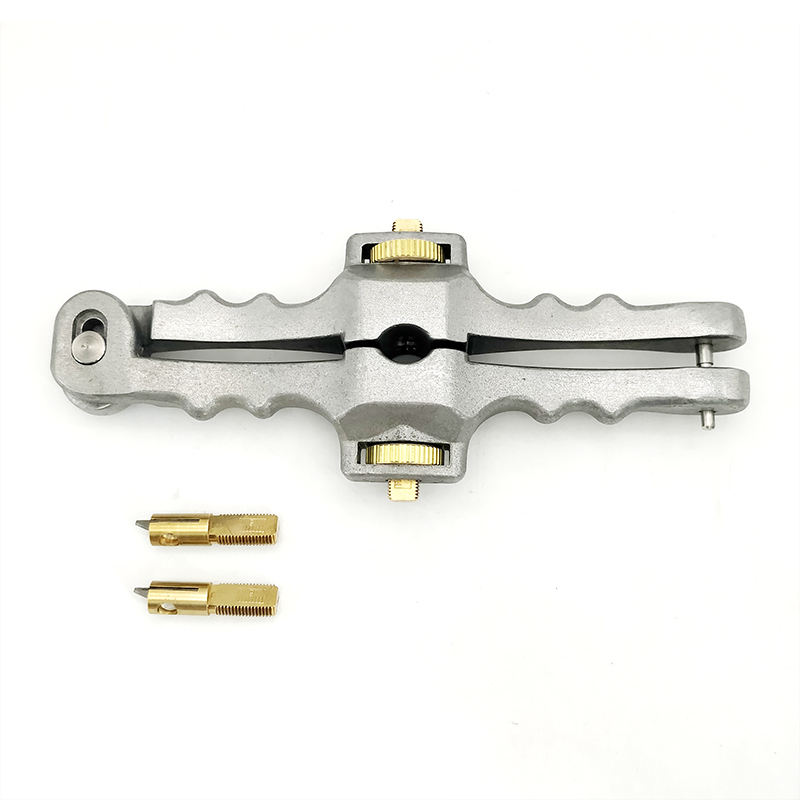
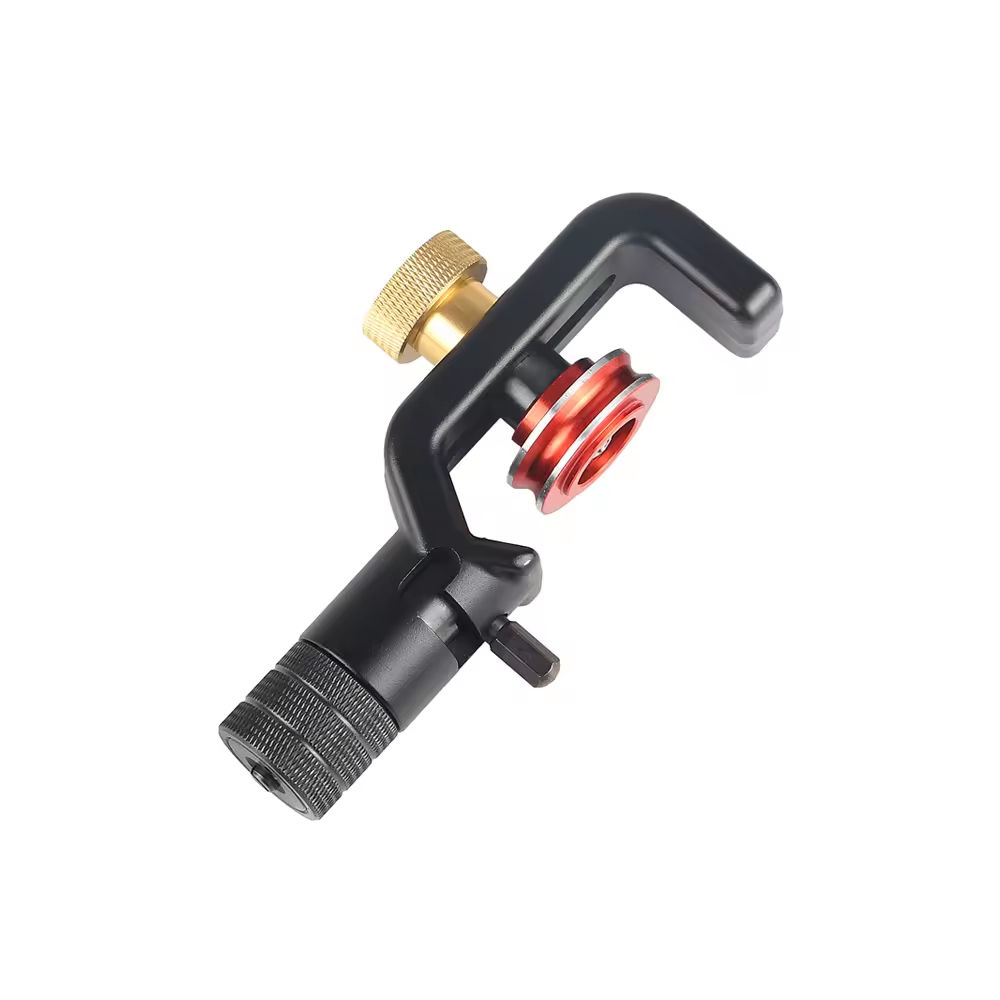
LF-055-Telecom Grade Round Fiber Cable Longitudinal Stripper for Pipeline Construction
Share on





Round Fiber Cable Longitudinal Stripper for Duct and Outdoor Construction
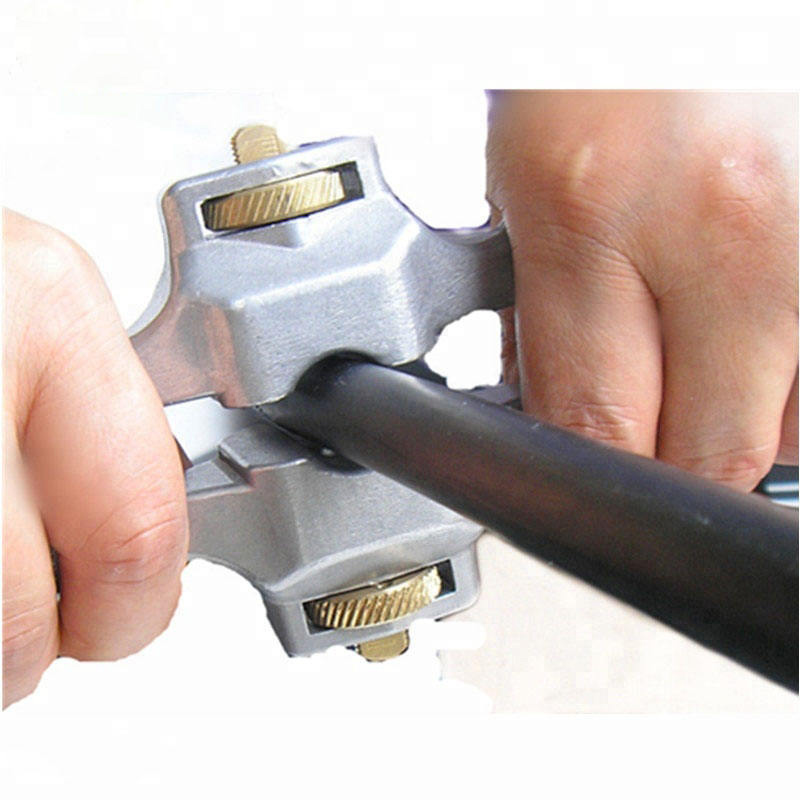
round fiber cable longitudinal stripper is a layer-preparation tool for round duct, aerial and distribution cables that require controlled jacket opening during mid-span access, termination or repair. Its purpose is to open the specified jacket, tube, buffer or coating without damaging the next layer; correct results depend on matching the blade geometry to the real cable construction.
This model uses heavy-duty adjustable longitudinal and transverse slitting. Cable outside diameter alone is insufficient. Confirm PE/PVC/LSZH jacket, wall thickness, armour or strength members, cable ovality and the location of tubes before approving the 2–20 mm operating range.
Best Fit and Tool Selection
Cable Construction and Layer Compatibility
A safe selection requires more than outside diameter. Buyers should provide a cable cross-section or sample showing jacket material and thickness, armour or strength member, ripcord, tube size, buffer/coating diameter and any copper conductors. Drop cable, round duct cable, loose tube and 250 µm coating require different cutting geometries.
Technical Specifications
How to Set Cutting Depth or Select the Correct Notch
For an adjustable tool, begin shallower than the measured wall thickness and increase in small steps on a sacrificial length until the jacket separates without marking the next layer. For a factory-set multi-hole stripper, use only the notch specified for that layer and pull in the designed direction. A factory preset reduces adjustment but does not eliminate cable-compatibility testing.
Application Boundaries
A jacket slitter is not a fibre cleaver, and a 250 µm coating stripper is not an armour cutter. Do not allow the blade to contact glass, metallic strength members or live conductors unless the model is specifically designed and approved for that layer. Replace any fibre showing scoring, whitening, bending damage or coating tears.
Common Stripping Failures and Prevention
Pre-shipment Quality and Acceptance Plan
LinkFiber can qualify the exact tool and blade against a buyer-supplied cable sample. A practical inspection records cable construction, temperature, notch/depth setting, strip length, required force, layer damage, blade condition, safety-lock function and package contents across a representative sample of units.
- Approve the exact tool version and blade code.
- Test every required cable layer on representative production cable.
- Set acceptance criteria for clean opening and zero visible damage to the next layer.
- Verify spare blades, adjustment tool, guard/lock and storage case.
- Record lot, operator, cable sample and inspection result.
- Use gloves and eye protection; dispose of glass and blade waste safely.
B2B Buyer Guide: Information Required for an Accurate Quote
Provide cable type, cross-section, outside diameter, jacket/tube material and wall thickness, fibre or tube count, target layer, strip/slit direction, daily workload, quantity, destination and private-label needs. For field kits, list the cleaver, stripper, cleaning materials and spare blades required per technician.
MOQ, Samples, Lead Time and Packing
Related Fiber Installation Tools
Compare the complete Cable Stripper range and combine it with Fiber Cleavers or other Fiber Optic Installation Tools. LinkFiber can build a cable-specific tool set under one approved packing list.
What is a telecom grade round fiber cable longitudinal stripper used for?
Why is this longitudinal stripper useful for pipeline construction?
What cable information should buyers provide before ordering?
Can this round fiber cable stripper work with PE jacket cable?
Do you provide samples for testing on the buyer’s own cable?
To learn more about this product, you can submit your requirements here.
 LF102 Signal Fire AI-12 6-Motor Core Alignment Fusion Splicer
 LF036 Metal Hard Case FTTH Fiber Optic Installation Tool Set
 Signal Fire AI9 Fiber Optic Fusion Splicer with VFL OPM
 LF046 6 Motors Core Alignment Fiber Optic Fusion Splicer 0.01dB Low Loss Trunk Line Telecom Equipment
 LF-054-Adjustable Longitudinal Fiber Cable Stripper Round Optical Fiber Jacket Slitting Cutter
 Signal Fire AI6A+ Fusion Splicer 6 Motors Core Alignment with OPM
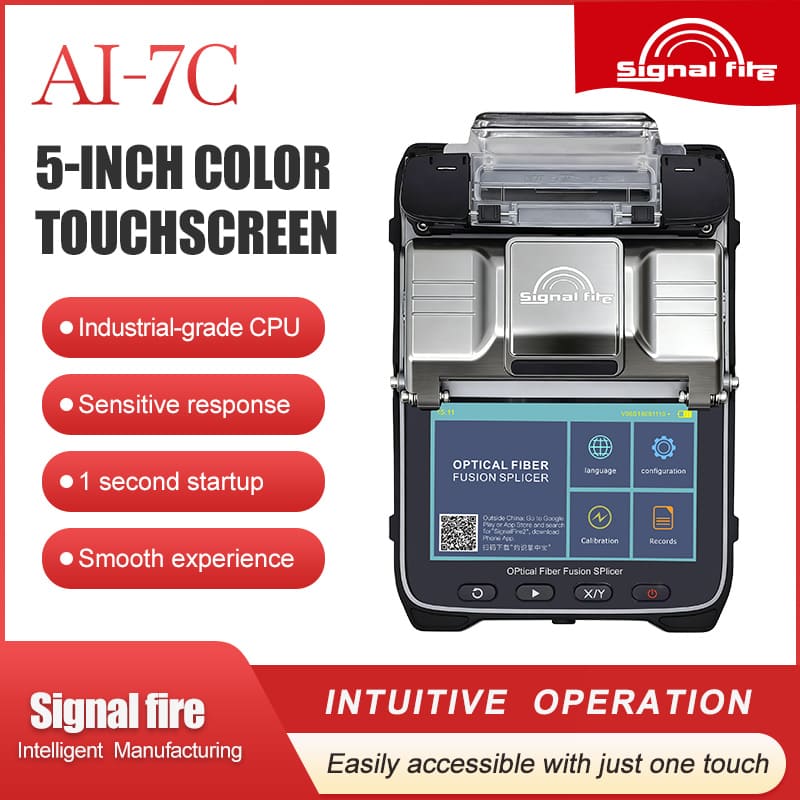
 Signal Fire AI7C Fusion Splicer Wholesale Price
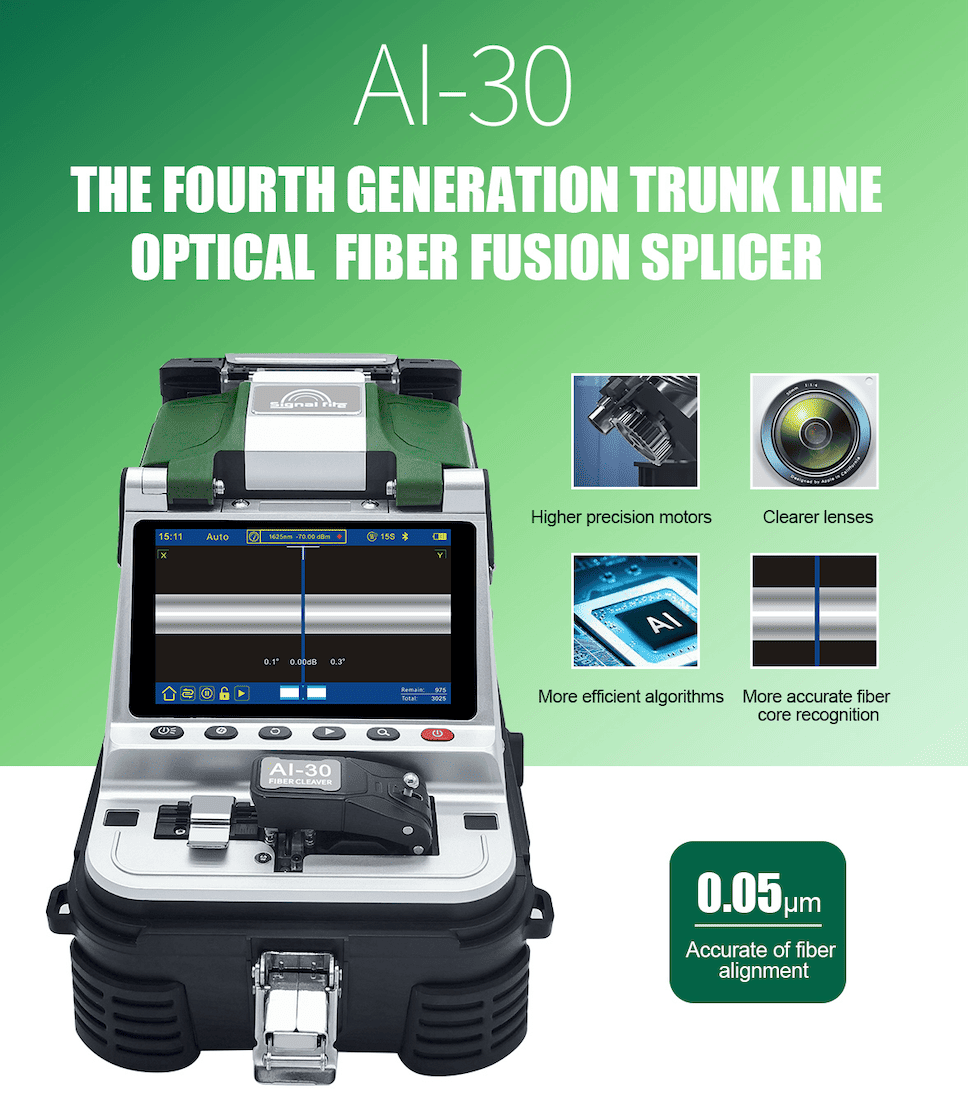
 LF041 Signal Fire AI30 Fiber Optic Splicing Machine Full Set Fusion Splicer with Tool Kits
 LF043 High Quality China Made Optical Fiber Fusion Splicer Telecom Equipment Low Loss
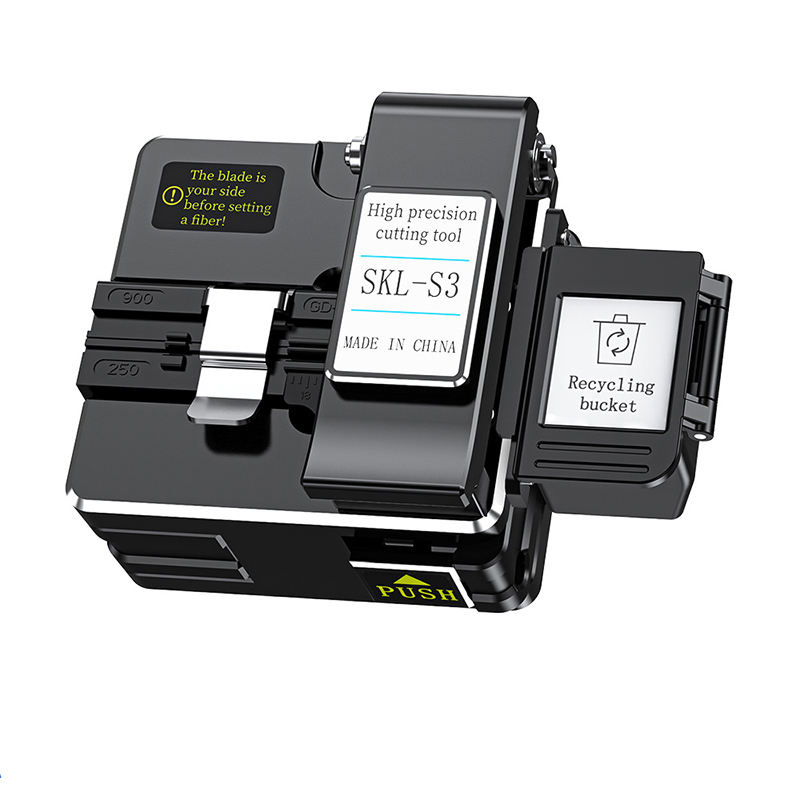
 LF048 Wholesale SKLS3 Fiber Optic Cable Cleaver Durable Blade FTTH Network Construction Tools
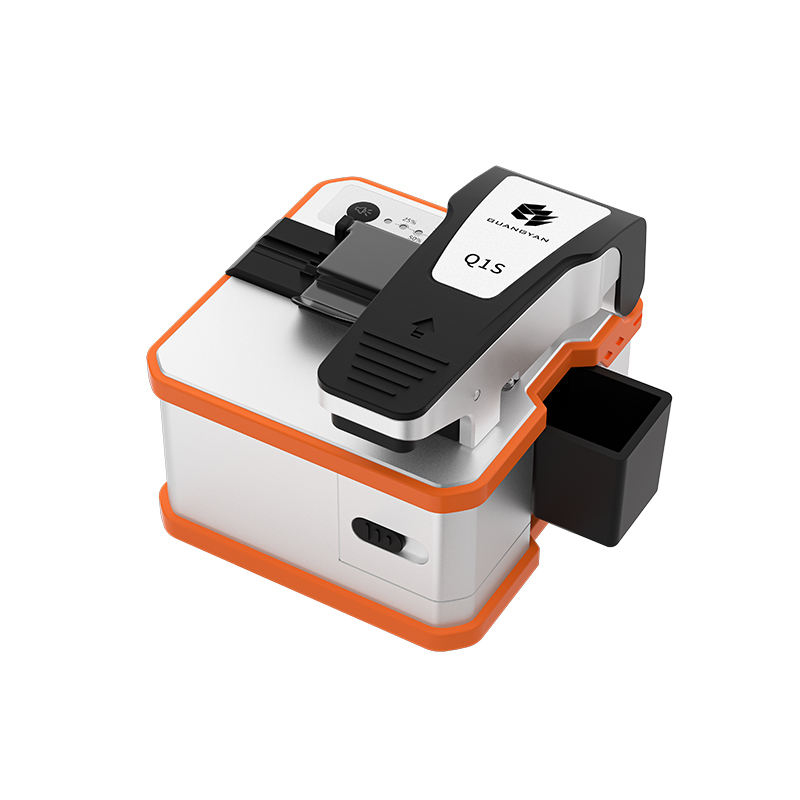
 LF050 Q1S Automatic Fiber Optic Cleaver
 LF051 S09 Telecom Grade Low Cut Angle Fiber Optic Cleaver Precise Optical Fiber Splicing Cutting Tool




Professional Consultation
If you are interested in our products and would like to know more details, please leave a message here, and we will get back to you as soon as possible.


