



‹
›
‹
›
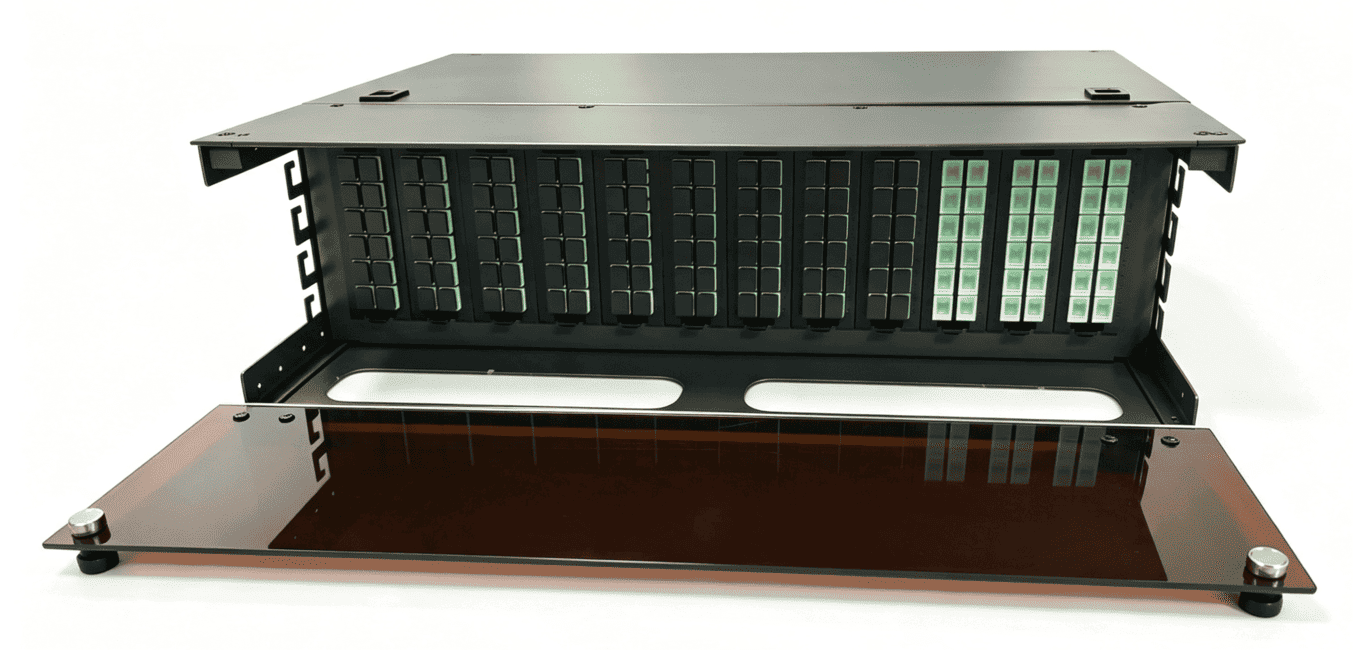
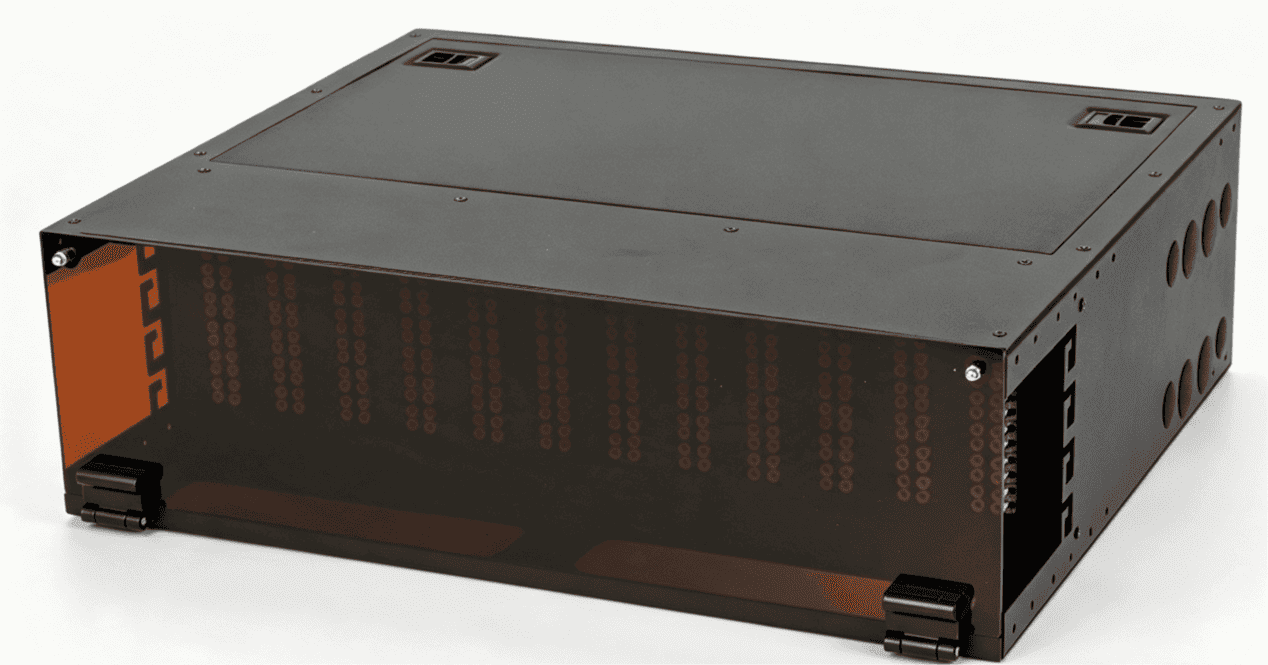
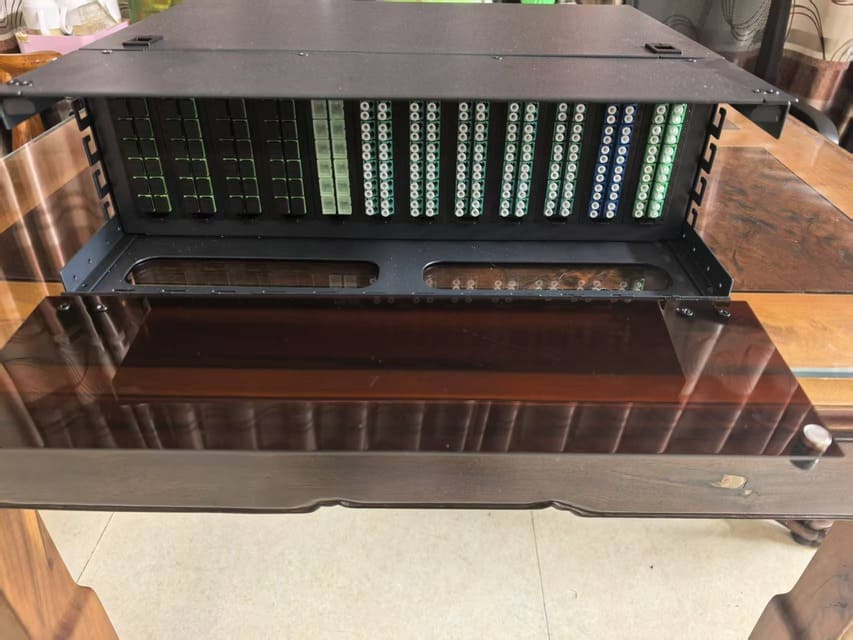
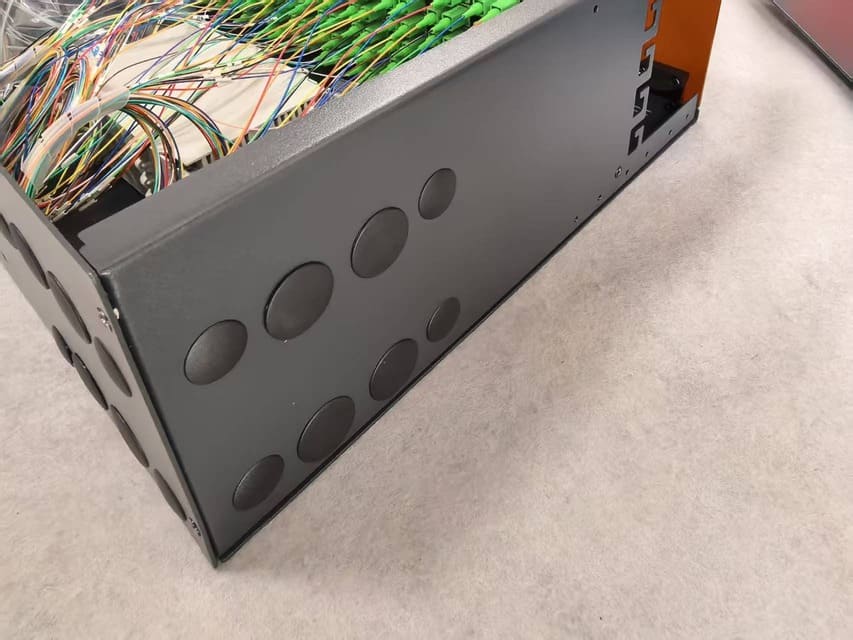
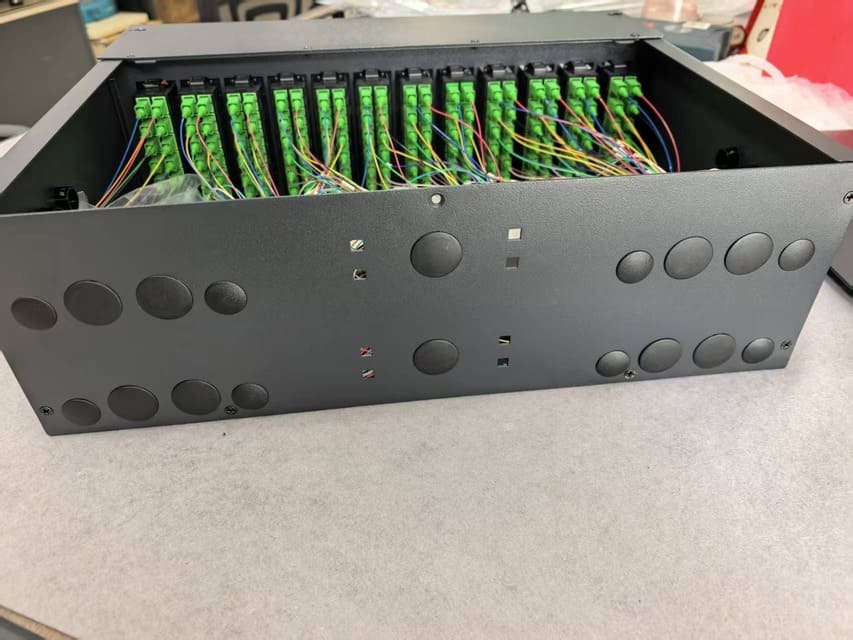
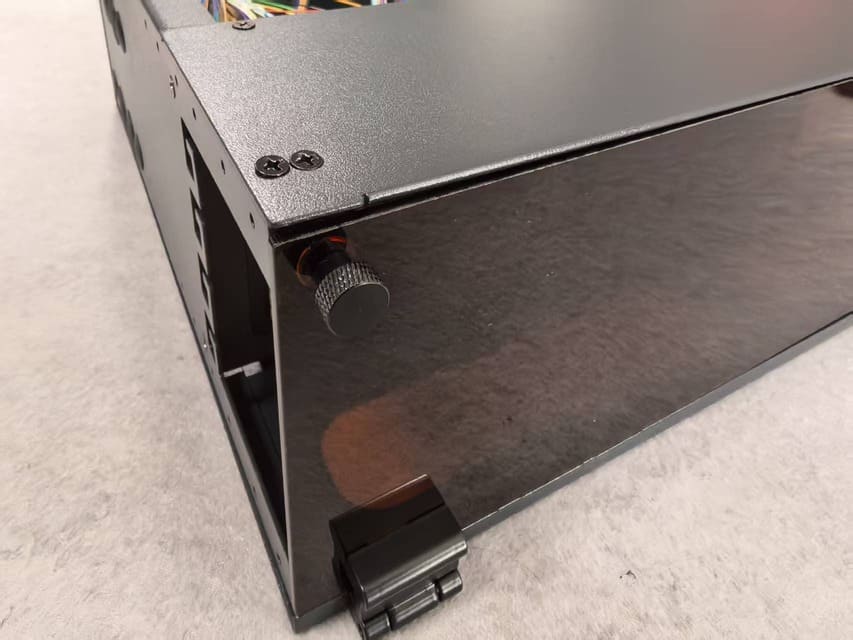
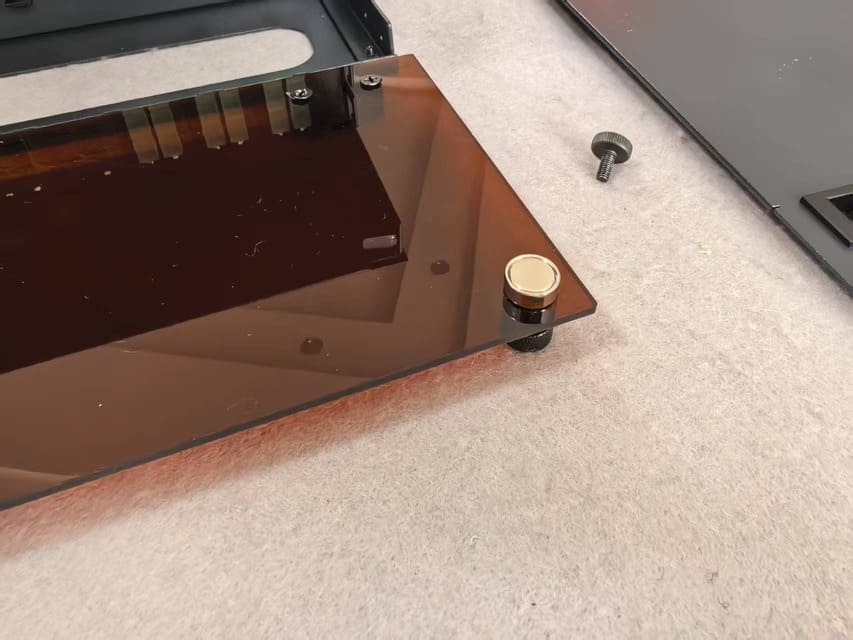
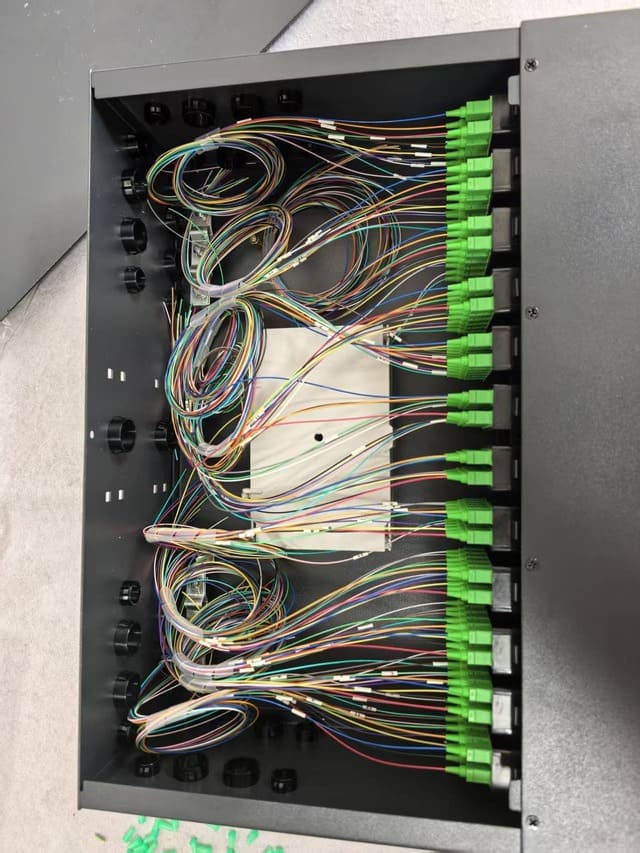
ODF 288-Core High-Density Optical Distribution Panel
3U
LC:288core
SC:144core
Share on





Core Value Proposition:
- Maximum 288-core density design saves 40% of equipment rack space
- Supports SM (Single-Mode) fiber for long-distance transmission
- Front-panel accessibility + slide-out maintenance design
- 3U compact form factor with industry-leading port density
- Optional MPO/LC high-density module upgrades available
LinkFiber Optical Distribution Panel is a professional-grade high-density fiber optic termination equipment specifically designed for modern data centers, telecommunications exchange rooms, communication facilities, and carrier network infrastructure. This product combines a slide-out design philosophy that perfectly balances maximum port density with ease of maintenance, offering an ideal replacement for traditional bulky patch panels.
As a specialized manufacturer in the fiber optic distribution sector, our products have been widely deployed in:
- Carrier/Telecom operator exchange rooms
- Data center fiber optic infrastructure
- ISP network hub centers
- Enterprise communication system facilities
- Fiber broadband access networks
- Video transmission and broadcast systems
Why Choose LinkFiber ODF?
- ✅ 150% density increase compared to conventional panels
- ✅ Zero-downtime maintenance with slide-out design
- ✅ Industrial-grade materials with epoxy powder coating
- ✅ International certifications (ITU-T, IEC, GB/T standards)
- ✅ Fast deployment with 15-20 day lead time
2. Product Specifications & Model Comparison
Dual-Configuration Design for Different Applications
📊 Density Advantage Comparison:
- 288-LC Configuration = 150%+ higher density than traditional patch frames
- Single unit volume capacity superior to competitors
- Ideal for space-constrained facilities requiring density upgrades
3. Core Technical Features
1️⃣ Ultra-High Density Architecture
- 288-Core Maximum Capacity: 12×24 LC duplex connector arrangement accommodates 288 fiber cores in single 3U device
- Rack Space Savings: 40% reduction in footprint compared to equivalent capacity solutions
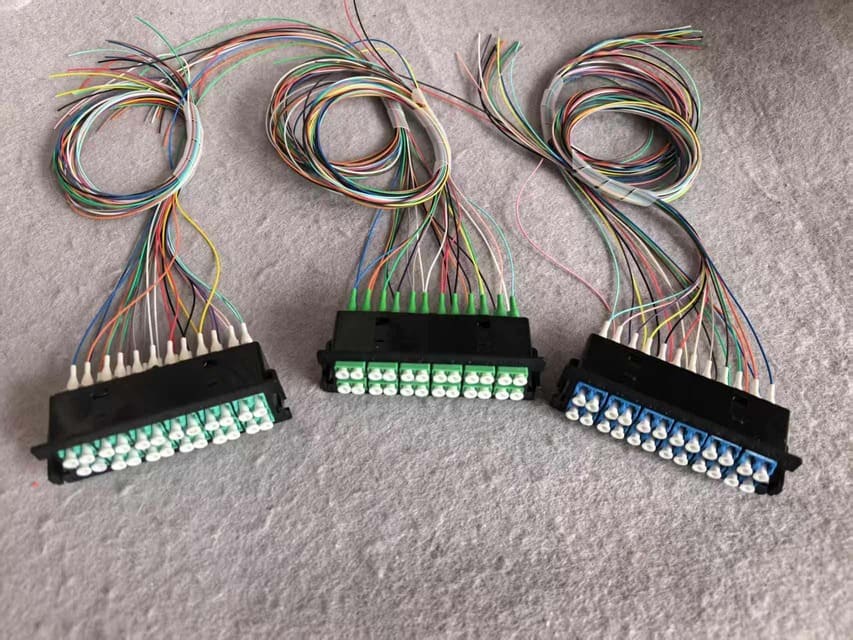
- MPO High-Density Option: Upgrade path available with optional MPO modules supporting future expansion
- Scalability: Modular design allows incremental capacity growth
2️⃣ Slide-Out Maintenance Framework
- Push-Pull Design: Entire patch panel assembly slides out smoothly, enabling fiber insertion and maintenance without complete disassembly
- Front-Panel Access: All fiber termination points located on front panel for intuitive patch cord management
- Zero-Downtime Maintenance: Hot-swap capability ensures no service interruption to active fibers
- Flappable Splice Organizer: Hinged trays provide easy access to spliced fiber cores for inspection and adjustment
3️⃣ Optical Performance Guarantee
- Optical Standard: Compliant with ITU-T G.657A single-mode fiber specification
- Transmission Distance: Supports 100+ km transmission distances (dependent on fiber grade)
- Low-Loss Connectors: LC connector insertion loss ≤0.3 dB, meeting carrier-grade tier-1 access requirements
- Return Loss: ≥50 dB (UPC) / ≥65 dB (APC) for signal integrity
4️⃣ Industrial-Grade Mechanical Design
- Material Composition: Cold-rolled steel with oven-baked epoxy powder coating
- Corrosion Resistance: Uniform coating thickness for durability in harsh environments
- Color Options: Grey or Black finishes to match facility aesthetics
- Reliability: Standard 19" rack mounting with adjustable front/middle positioning
5️⃣ Field Installation & Maintenance Friendly
- Flappable Splice Organizer Trays: Fiber splice regions can flip up for convenient core routing and label management
- Adequate Internal Space: Fiber bend radius ≥20mm maintained per industry standards
- Standard Rack Compatibility: 19" standard rail mounting with flexible front/center positioning options
- Pre-Configured Pigtails: Factory-installed with various lengths to accelerate deployment
4. Environmental Operating Conditions & Certifications
Operating Environment Specifications
✅ Compliant with Industry Standards:
- ITU-T G.652D / G.657A Single-Mode Fiber Specifications
- IEC 61754-2 LC Fiber Optic Connector Standard
- IEC 61754-20 SC Fiber Optic Connector Standard
- GB/T 9386 (China) Fiber Optic Connector Standard
- YD/T Series Telecom Industry Standards
- ISO 9001:2015 Quality Management System Certification
5. Competitive Advantage Analysis
Why Choose LinkFiber Over Traditional ODF Solutions?
6. Application Scenarios & Solutions
📍 Typical Use Cases
1. Carrier/Telecom Exchange Room Fiber Distribution
- Scenario: China Mobile/Unicom/Telecom exchange facilities
- Application: PON access aggregation, long-haul fiber termination
- Advantage: High density accommodates massive access port requirements
2. Data Center Fiber Infrastructure
- Scenario: Data center facilities, cloud computing centers
- Application: Server interconnectivity (DCI), backbone network connectivity
- Advantage: Single rack unit enables large cross-cabinet connection volumes
3. ISP Fiber Access Network
- Scenario: Residential buildings, office complexes, industrial parks
- Application: OLT port aggregation, subscriber fiber termination
- Advantage: Compact design suits space-constrained facility upgrades
4. Campus & Enterprise Communication Systems
- Scenario: Large universities, corporate headquarters
- Application: Campus network backbone infrastructure, inter-departmental connectivity
- Advantage: Highly expandable with intuitive management interface
5. Broadcast & Video Transmission
- Scenario: Television stations, broadcasting facilities
- Application: Studio fiber connections, upstream transmission links
- Advantage: SM single-mode ensures long-distance lossless transmission
6. Financial & Cloud Service Facilities
- Scenario: Banking data centers, cloud service providers
- Application: High-speed inter-data-center connections, disaster recovery links
- Advantage: 400G-ready fiber path with minimal signal degradation
7. Technical Specifications
7.1 Physical Specifications
19" Standard Rack Dimensions:
- Length (L):        481 mm
- Depth (D):         343 mm
- Height (H):        132 mm (3U)
- Net Weight:        6.3 kg
- Gross Weight:      6.9 kg (with packaging)
- Packaging Size:    53×40×15 cm
- Unit Volume:       0.031 m³
- Shipping Class:    Small Equipment
7.2 Connector Interface Specifications
288-Core LC Configuration:
- Port Layout: 12 rows × 24 columns = 288 LC duplex connectors
- Connector Type: LC/UPC (or LC/APC optional)
- Connector Pitch: Standard spacing ensures unobstructed insertion/extraction
- Polarity Marking: Color-coded label segmentation for zone management
- Key Feature: High-density arrangement maximizes capacity
144-Core SC Configuration:
- Port Layout: 12 rows × 12 columns = 144 SC simplex connectors
- Connector Type: SC/UPC (or SC/APC optional)
- Third-party Compatibility: Supports any standard SC fiber optic connector
- Connector Pitch: Adequate spacing for easy management
7.3 Optical Performance Specifications
7.4 Mechanical Performance Specifications
8. Installation & Maintenance Guidelines
Installation Procedure
- Rack Preparation
- Verify 19" standard rail availability
- Ensure 30cm+ clearance in front and rear
- Install grounding conductor to facility ground bus
- Position & Mounting
- Use supplied mounting brackets
- Select front-mount (for frequent access) or center-mount (for space savings)
- Secure with provided hardware
- Verify level using building-standard level tool
- Fiber Cable Entry
- Route incoming fiber cables through bottom cable entry points
- Use cable clips to secure to prevent excessive tension
- Maintain fiber minimum bend radius (≥20mm for permanent installation)
- Label all incoming cables at panel entry points
- Connector Termination
- Identify spliced fiber cores by source label
- Clean connector ferrules with lint-free wipes and 99% IPA
- Insert into corresponding LC/SC port following installation diagram
- Verify tight insertion until mechanical stop
- Labeling & Documentation
- Apply UV-resistant labels to front panel (per facility standards)
- Create internal documentation of fiber routing within assembly
- Photograph connector arrangement for reference
- Maintain digital fiber trace records
- Verification & Testing
- Use calibrated optical power meter to test each fiber link
- Document baseline power levels for future reference
- Verify no anomalous return loss readings
- Create performance baseline report for facility records
Routine Maintenance Schedule
Monthly Inspection:
- Visual inspection for coating damage or corrosion
- Check connector ferrule surfaces for dirt/contamination
- Verify all patch cords properly seated
Quarterly Maintenance:
- Clean all exposed connector faces with appropriate fiber cleaning kit
- Reorganize internal fiber routing if necessary
- Tighten all mounting hardware
Annual Service:
- Professional optical performance testing of all connections
- Replace degraded patch cords or connectors as needed
- Facility environmental audit (temperature/humidity verification)
- Backup documentation updates
Environmental Control:
- Maintain facility temperature at 15~35°C
- Maintain relative humidity at 40~70% (non-condensing)
- Ensure adequate air circulation around equipment
9. Ordering Information & Product Configuration
Product Model Reference Table
Standard Configuration Package (Included per Unit)
Each optical distribution panel includes:
- ✅ 1 × Main frame assembly (steel chassis + fiber management trays)
- ✅ 12-24 × Pre-terminated fiber pigtails (selectable lengths: 1m / 2m / 3m)
- ✅ Fiber protective sleeves (flame-retardant PVC or LSZH material)
- ✅ Heat-shrink protection tubing for all splice points
- ✅ Professional color-coded label sets for segment identification
- ✅ Complete installation hardware kit (brackets, fasteners, grounding wire)
- ✅ Bilingual user manual (English + Chinese)
- ✅ Product warranty certificate & technical support card
Optional Upgrade Packages
📞 Request Quote: Click "Get Pricing" or contact our sales team directly
10. Performance Certifications & Quality Guarantee
International & Industry Certifications
- ✅ ITU-T G.654/G.657/G.652 - International single-mode fiber standards
- ✅ IEC 61754-2 - LC fiber optic connector standard
- ✅ IEC 61754-20 - SC fiber optic connector standard
- ✅ GB/T 9386 - Chinese fiber optic connector standard
- ✅ YD/T 1220 - Chinese telecom-grade connector specification
- ✅ ISO 9001:2015 - Quality management system certification
- ✅ RoHS 2.0 - Compliance with hazardous substance restrictions
Comprehensive Warranty Coverage
🎁 Value-Added Services:
- Free installation guidance (phone/video support)
- On-site commissioning assistance (field technician or remote)
- 3-year zero-cost component replacement program
- Priority-level technical support hotline (24/7 emergency contact)
- Quarterly facility audit recommendations
- Annual performance review reports
11. Customer Case Studies & Industry Applications
Typical Customer Deployments
- 🏢 China Mobile/Unicom/Telecom - Large-scale nationwide deployments (50,000+ units)
- 🖥️ Alibaba Cloud / Tencent Cloud - Data center backbone infrastructure
- 📺 CCTV & Provincial Broadcasting - Video transmission network infrastructure
- 🏫 Tsinghua University, Peking University - Campus network core backbone
- 💼 Major Internet Companies - Data center interconnect (DCI) networks
- 🏦 Financial Institutions - Banking and insurance facility connections
Deployment Scale & Performance
- ✅ 50,000+ units installed worldwide to date
- ✅ Operating in 200+ cities across China
- ✅ Exported to 30+ international markets
- ✅ 45%+ year-over-year growth rate
- ✅ 99.8% cumulative customer satisfaction rating
Customer Testimonials
"LinkFiber's 288-LC panel increased our facility density by 150% while reducing maintenance time by 3x. Highly recommended for any modernization project."
— Network Director, Major Telecom Operator
"The slide-out design has been a game-changer for our data center operations. Maintenance windows that previously took 4 hours now take less than 1 hour."
— Infrastructure Manager, Tier-3 Data Center Provider
What is a 288-core optical distribution panel used for?
When should buyers choose 288-core LC instead of 144-core SC ODF?
Why is a 3U high-density ODF useful for data centers and telecom rooms?
How does slide-out maintenance help fiber distribution panel operation?
What should B2B buyers confirm before bulk ordering high-density ODF panels?
To learn more about this product, you can submit your requirements here.
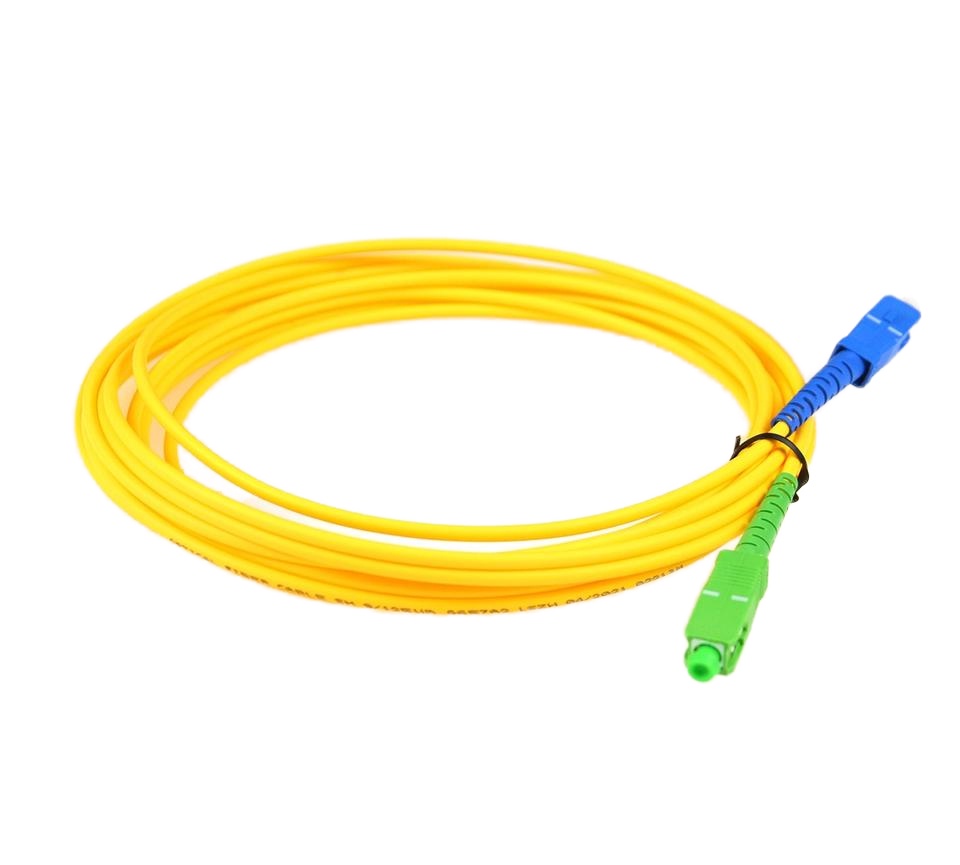
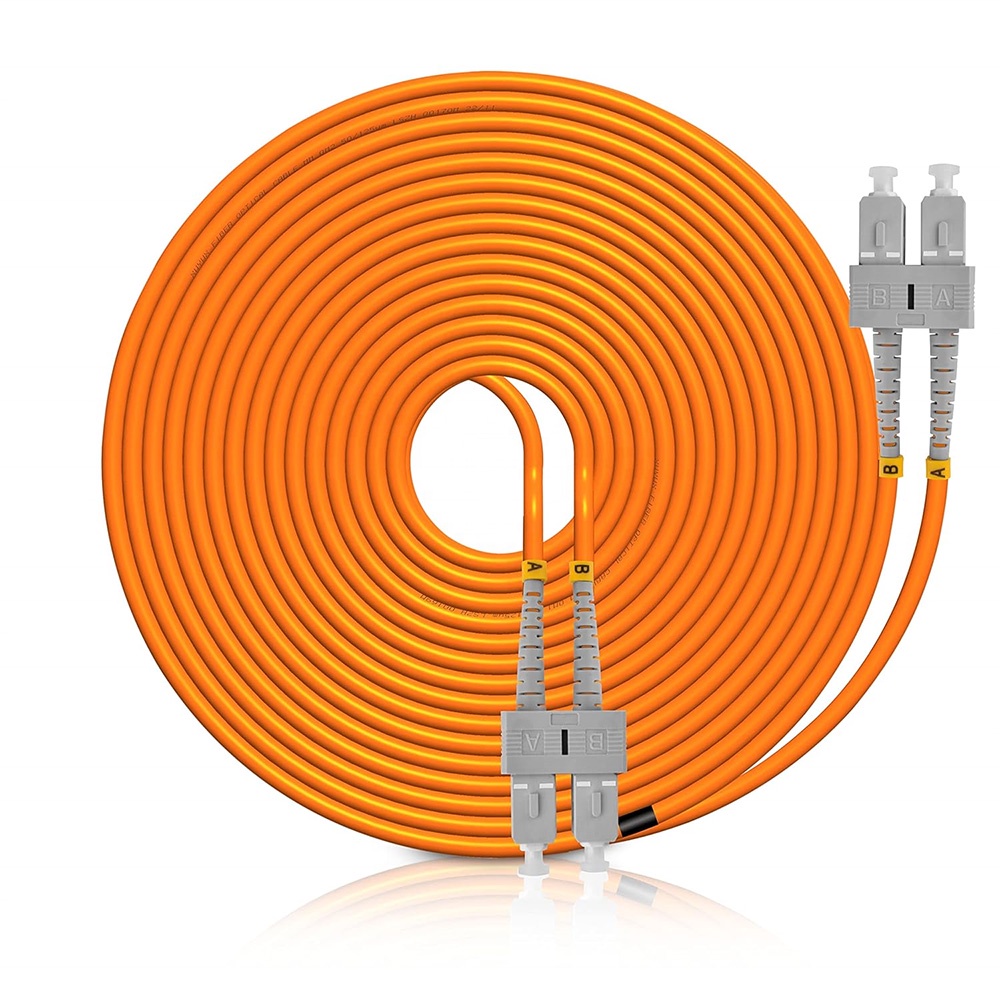
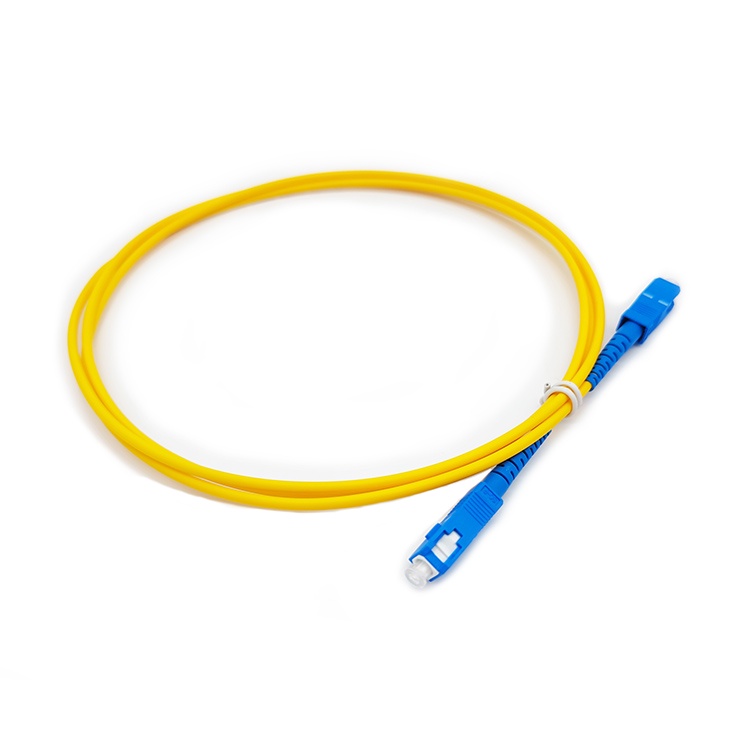
 LF005 Wholesale Optical Fiber Jumper Patch Cord Sc APC UPC 3M 2M 1M
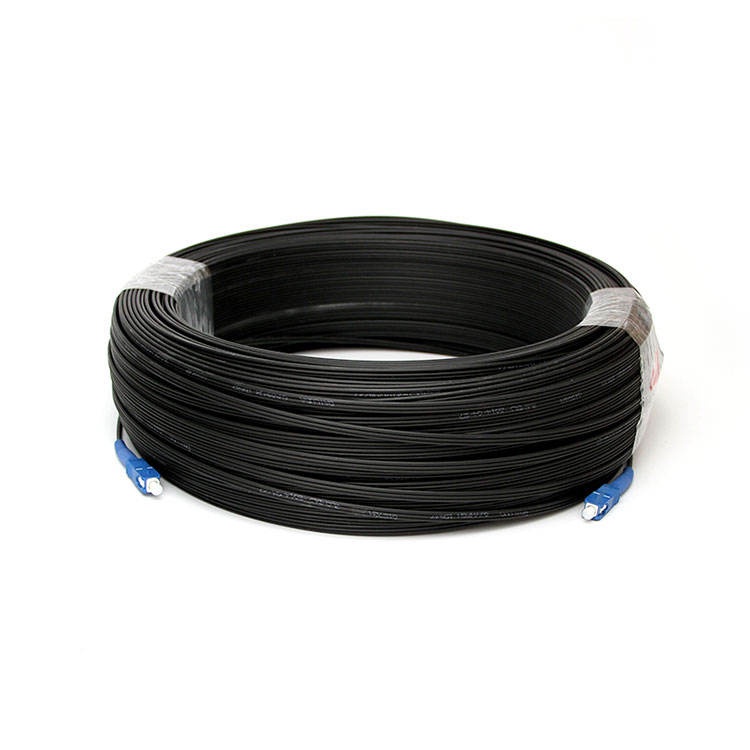
 LF001 Single Mode G.657A SC UPC to SC UPC FTTH Drop Cable Fiber Patch Cord
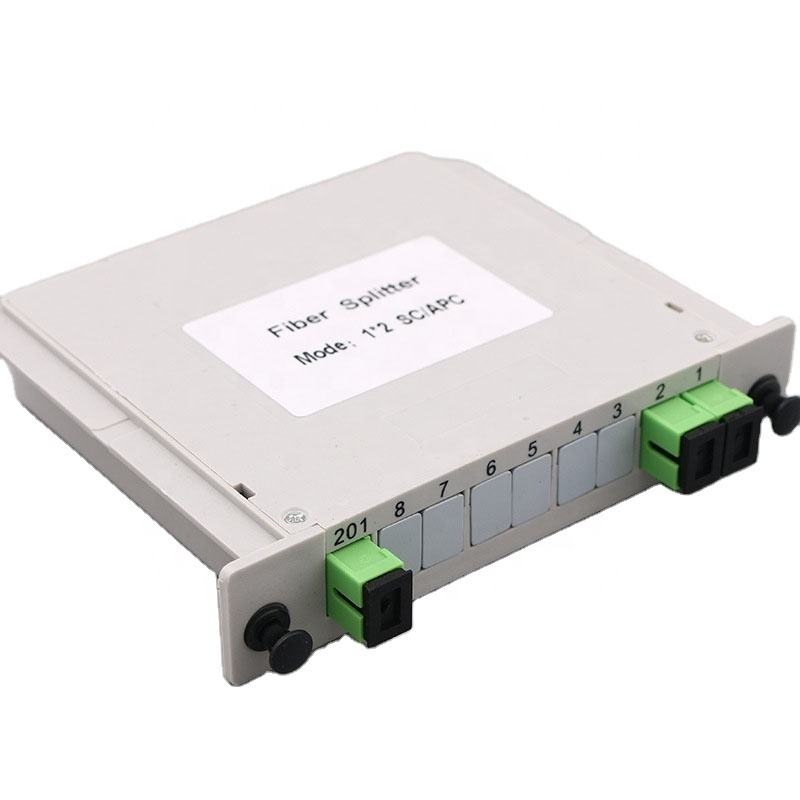
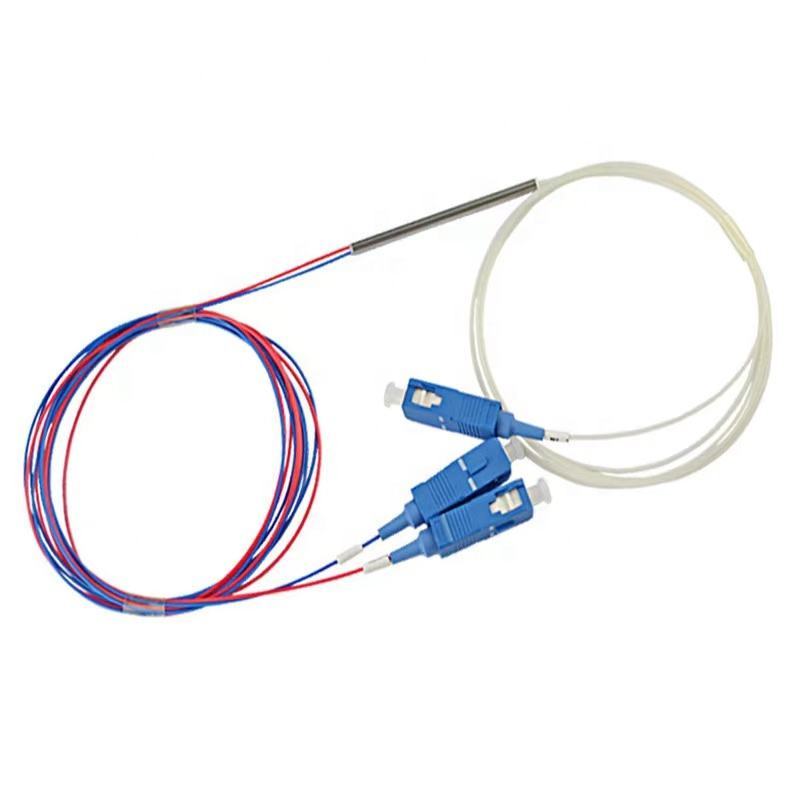
 LF012 PLC PON Fiber Optic Splitter SC/LC/FC/ST for FTTH Solutions
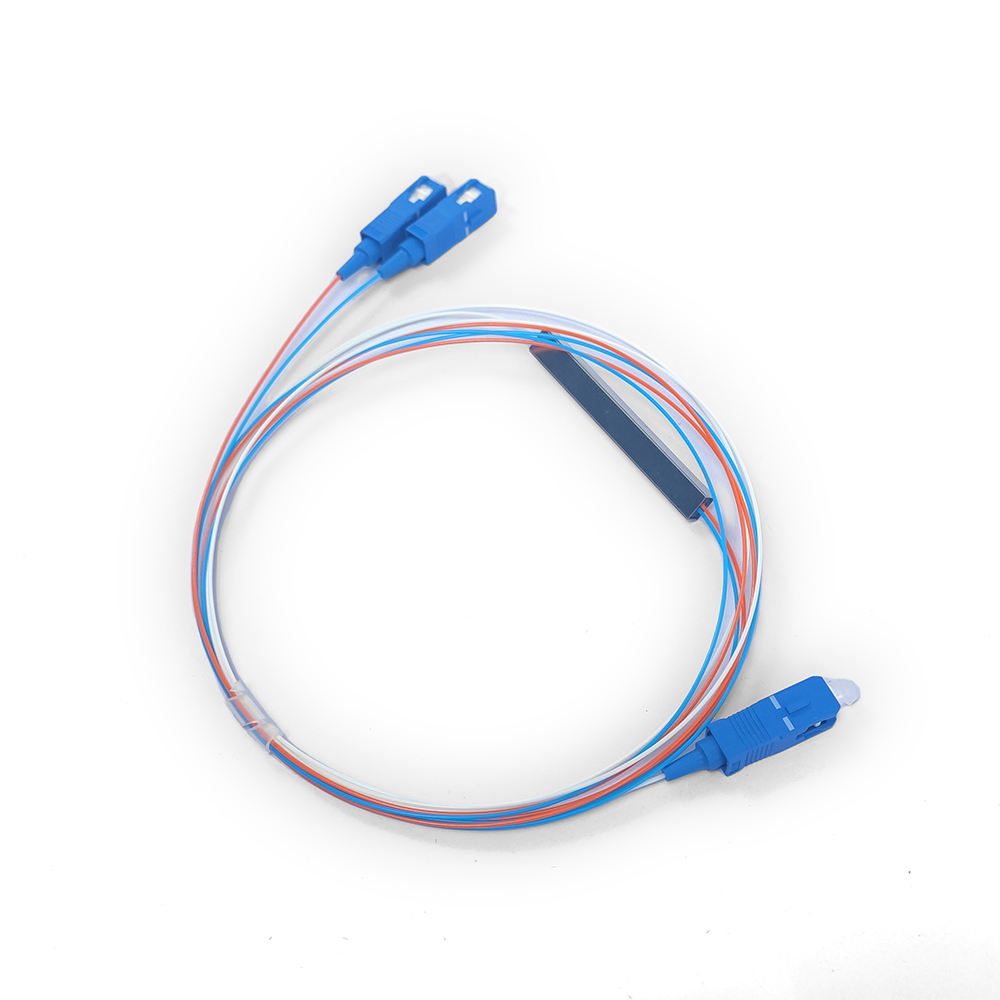
 LF016 Mini PLC Fiber Optic Splitter Blockless Series 1×2/1×4/1×8/1×16
 LF020 Splice Pigtailed PLC Splitter ABS Box Single Mode FTTH Optical Coupler
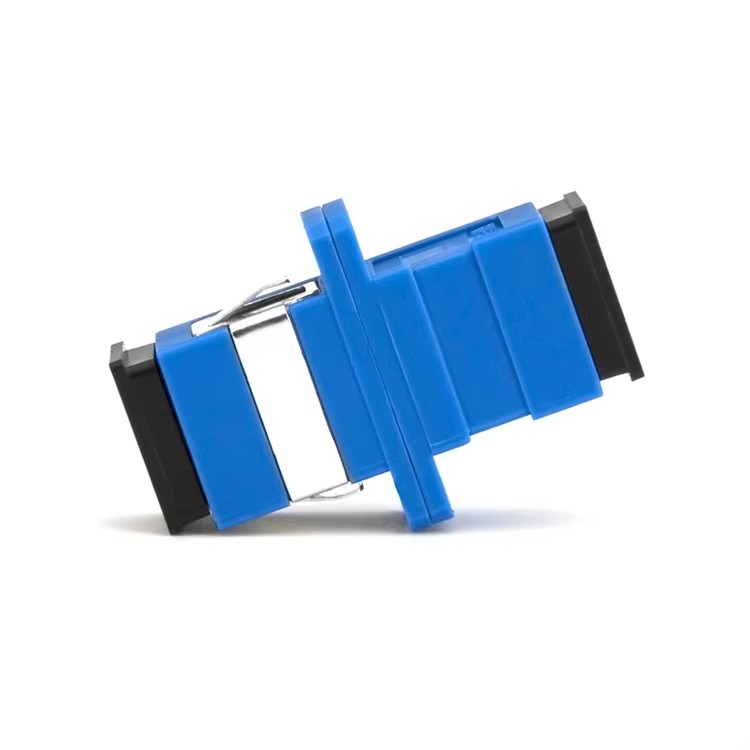
![LF028 LC SC FC fiber optic adapter flange coupler for single mode multimode links]() LF028 LC/SC/FC Fiber Optic Flange Connectors Single Mode Multimode Fiber Optic Coupler
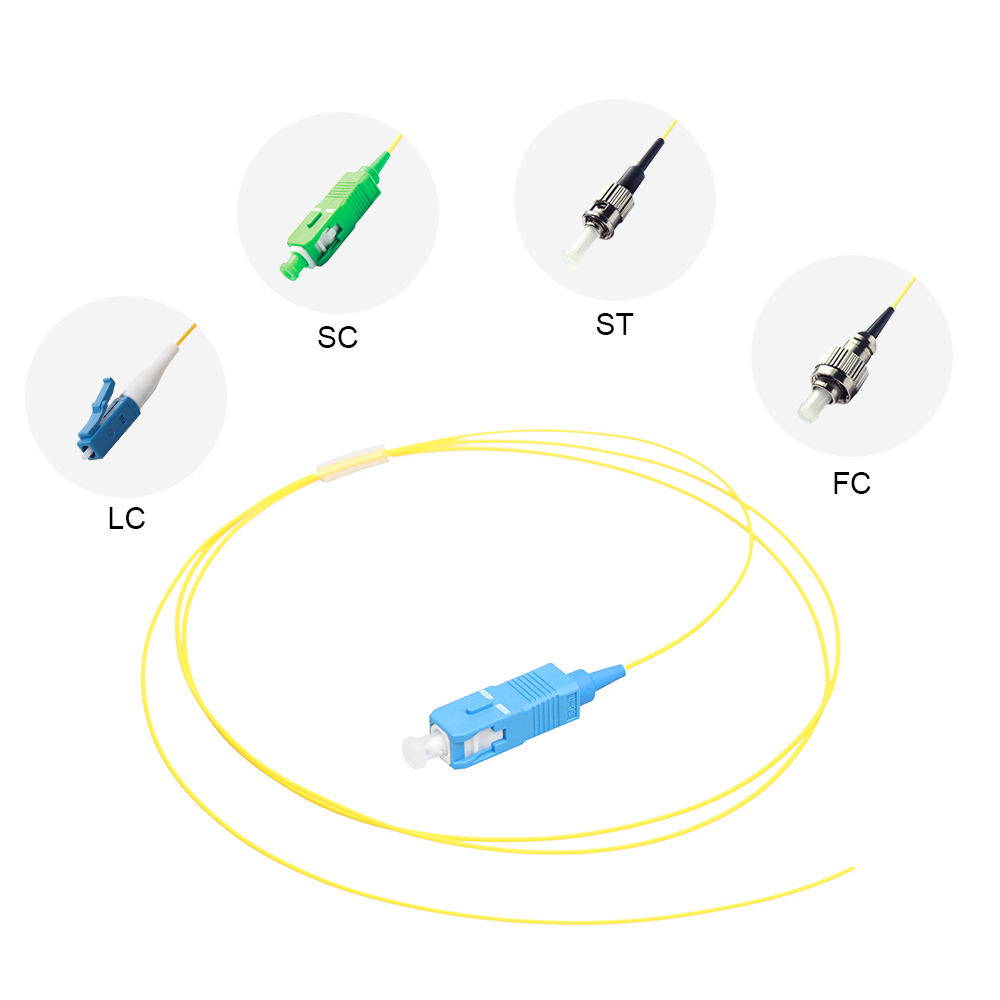
LF028 LC/SC/FC Fiber Optic Flange Connectors Single Mode Multimode Fiber Optic Coupler LF031Fiber Optic Pigtail Single Core & 12 Core Bundle 0.9mm 1.5m G.652D Single Mode
 LF009 Multimode Fiber Patch Cords OM3 SC LC 50/125μm Low Insertion
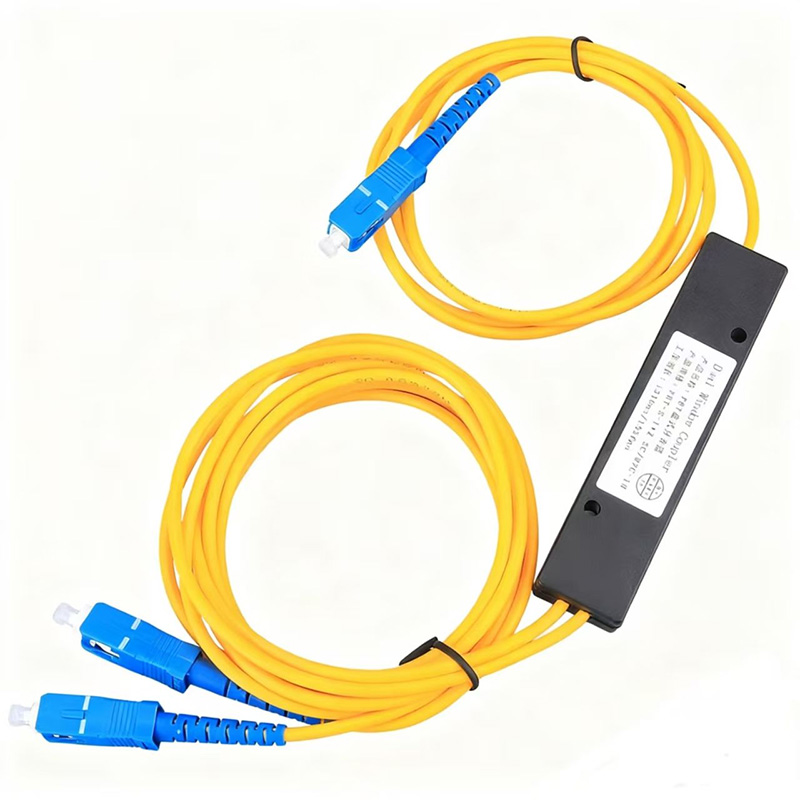
 LF022 Custom Split Ratio Non-uniform FBT Fiber Splitter 1310/1550nm Dual Window Low Loss
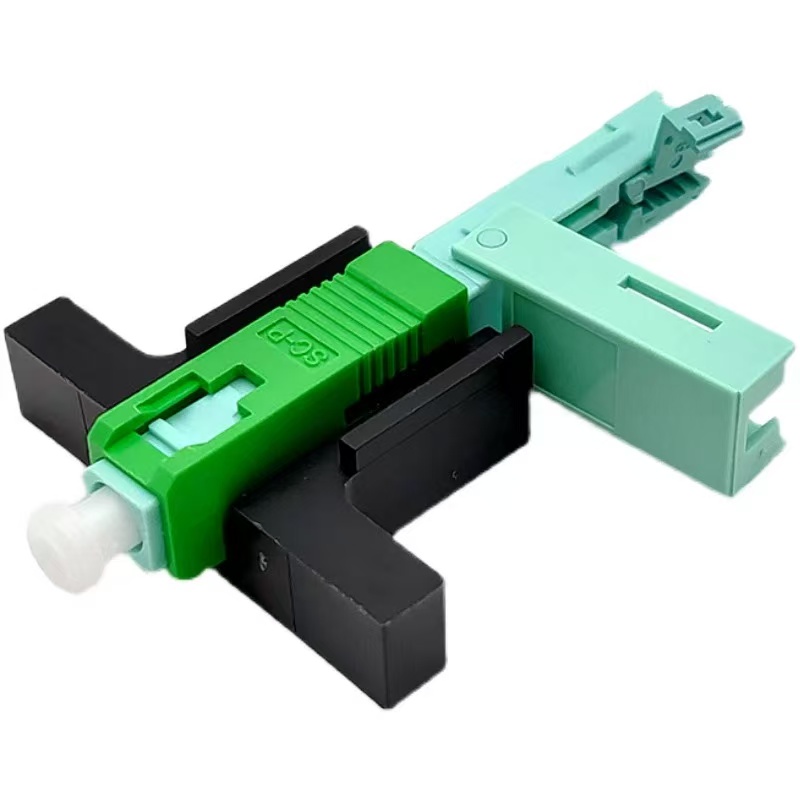
 LF025 FTTH Fiber Optic Aircraft Fast Connector
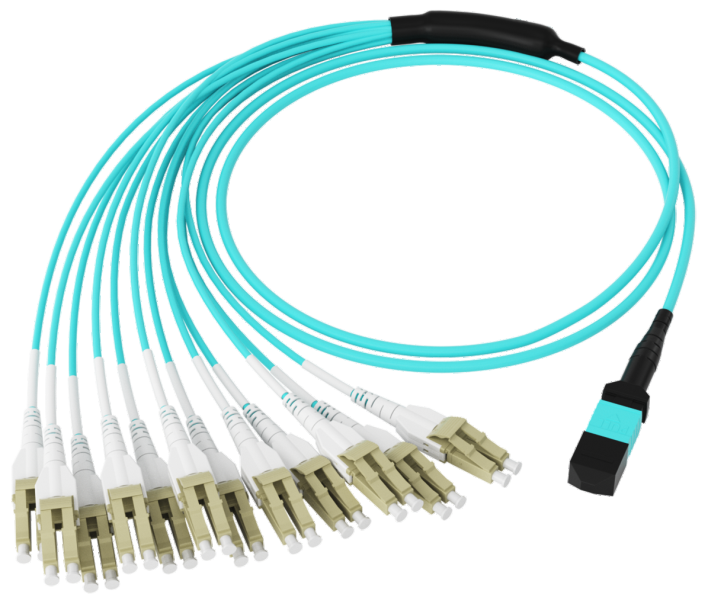
 LF104 High-Density MPO Patch Cable
 LF002 Single-mode Fiber Optic Patch Cord Simplex Duplex SC/FC/LC 2.0mm 3.0mm LSZH PVC

Professional Consultation
If you are interested in our products and would like to know more details, please leave a message here, and we will get back to you as soon as possible.


