



‹
›
‹
›
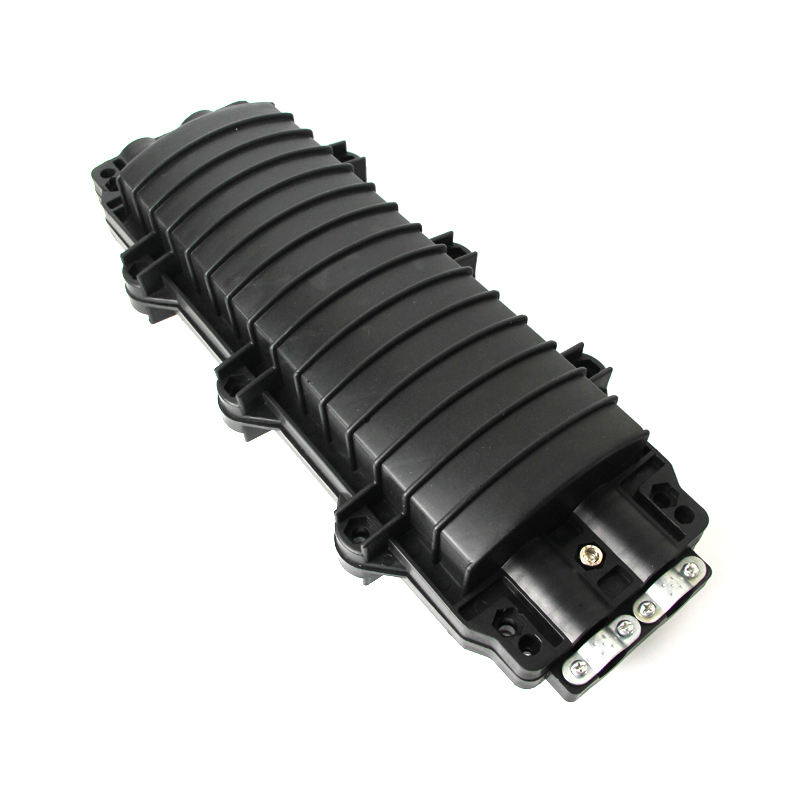
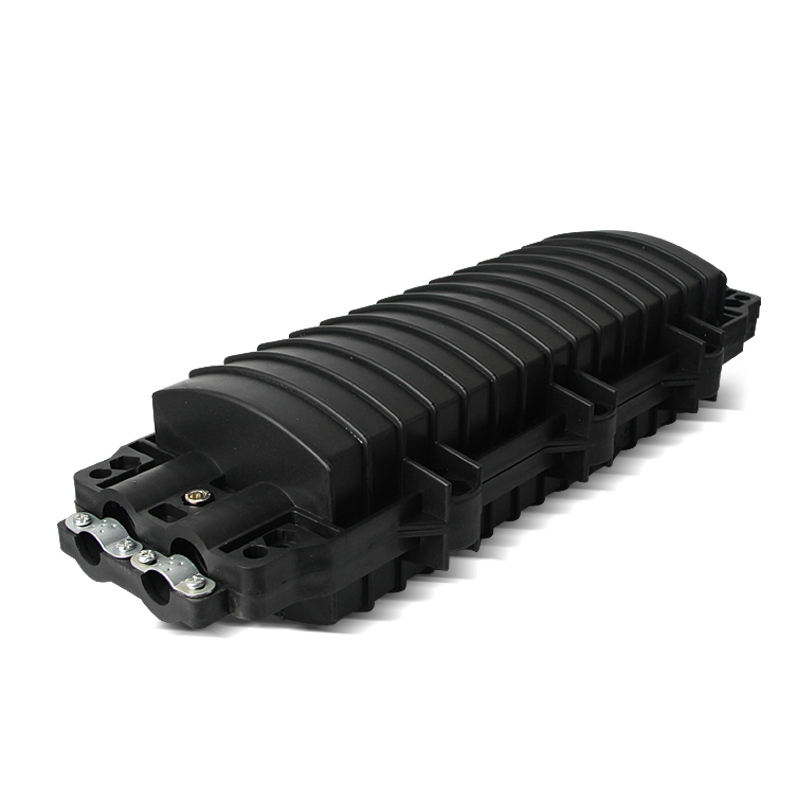
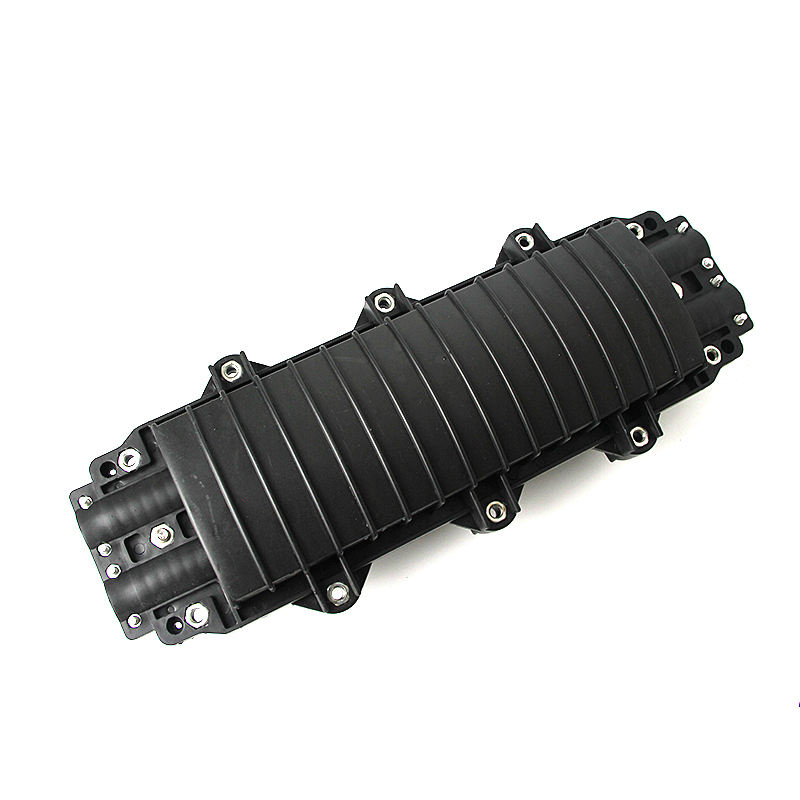
LF074 IP68 Waterproof 24 Core Fiber Optic Splice Closure Horizontal Type Cable Joint Enclosure
Share on





24 Core Horizontal Fiber Optic Splice Closure for IP68 Outdoor Protection
24 core fiber optic splice closure protects fusion splices and fibre slack at outdoor cable joints. The horizontal enclosure must combine cable retention, strength-member fixation, tray capacity, bend management and a repeatable seal; a high IP label alone does not compensate for the wrong cable seal or installation method.
The page keeps 24-core horizontal splice closure, IP68 waterproof enclosure, aerial, duct and cable joint terminology while treating larger capacities and port arrangements as separate project configurations.
Configuration and Project Selection
24-Core Tray and Fibre Routing
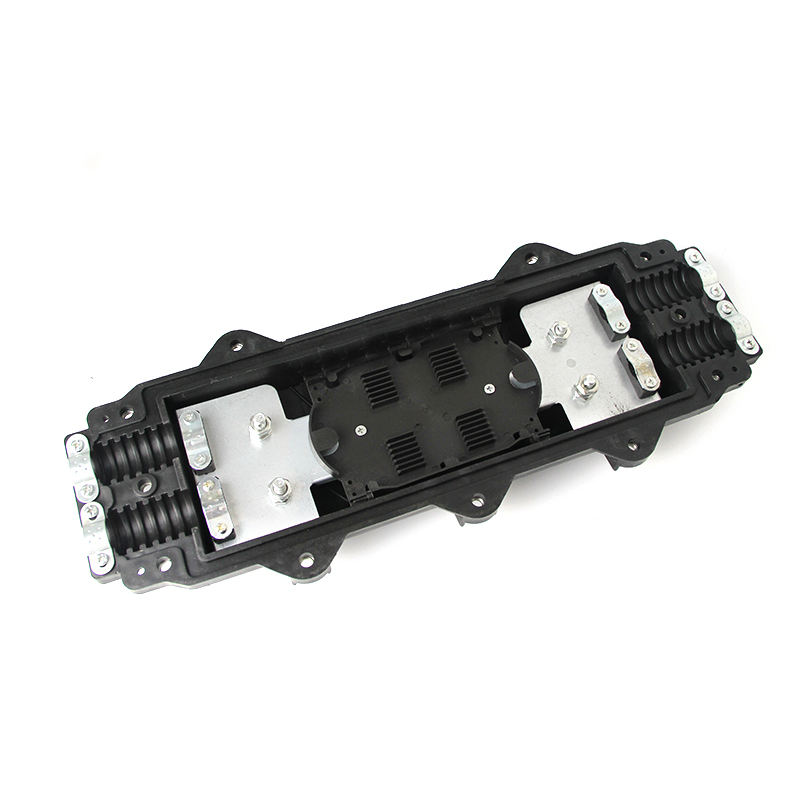
A 24-core build may use one 24-position tray or multiple trays according to sleeve size and fibre construction. Route incoming tubes to the tray without torsion, store slack in smooth loops, separate live and reserve fibres, label both directions and keep every bend above the project minimum.
Technical Specifications
IP68 Sealing Conditions
IEC 60529 defines IP codes, but performance applies to the tested assembly. Cable OD, seal insert, unused-port plug, gasket condition, closure torque and re-entry procedure must match the evidence supplied for the model. For critical projects, specify a factory leak/pressure test and a field sealing checklist.
Mechanical Retention and Installation Boundaries
Axial tensile and compression values require a defined fixture and test method. Aerial, duct, direct-burial, wall and pole mounting may need different clamps, brackets and environmental qualification. Metallic armour or strength members require project-specific bonding/grounding.
Common Closure Failures and Prevention
Pre-shipment Quality and Acceptance Plan
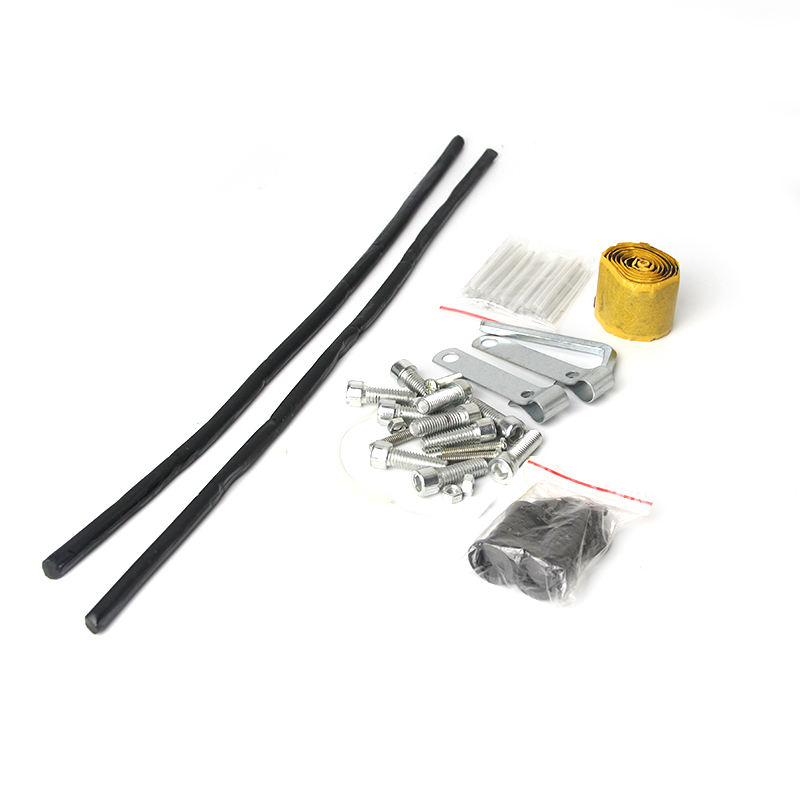
A practical lot plan verifies housing and tray count, seal sizes, cable clamps, strength-member fixation, gasket condition, hardware, bend routing, label and accessory kit. Sample units can be assembled with the buyer’s cable diameters and checked for leakage and mechanical retention under the agreed method.
- Approve exact cable diameters and port allocation.
- Test used and unused ports in one assembled sample.
- Confirm tray/sleeve capacity with the actual 24-core construction.
- Verify mounting kit and corrosion-resistant hardware.
- Document gasket and re-entry procedure.
- Match IP and material evidence to the exact supplied model.
B2B Buyer Guide: Information Required for an Accurate Quote
Provide cable count and OD, fibre count, loose-tube or ribbon construction, armour/strength member, required ports, splice-sleeve size, installation method, IP/test requirement, re-entry expectation, mounting kit, quantity, destination, label and documents.
MOQ, Samples, Lead Time and Packing
Related Fiber Distribution Products
Use the 24-core horizontal splice closure for protected cable joints and select downstream Fiber Optic Distribution & Management products according to splitter, termination and subscriber capacity.
What is a 24 core fiber splice closure used for?
How do buyers choose cable ports and cable diameter for a splice closure?
Why is IP68 sealing not enough without correct cable sealing?
Can a horizontal fiber splice closure be re-entered for maintenance?
What should B2B buyers confirm before bulk ordering fiber splice closures?
To learn more about this product, you can submit your requirements here.
 LF076 Waterproof ABS FTTH Fiber Optic Distribution Box 8/16/24/32 Core FDB Splitter Cabinet
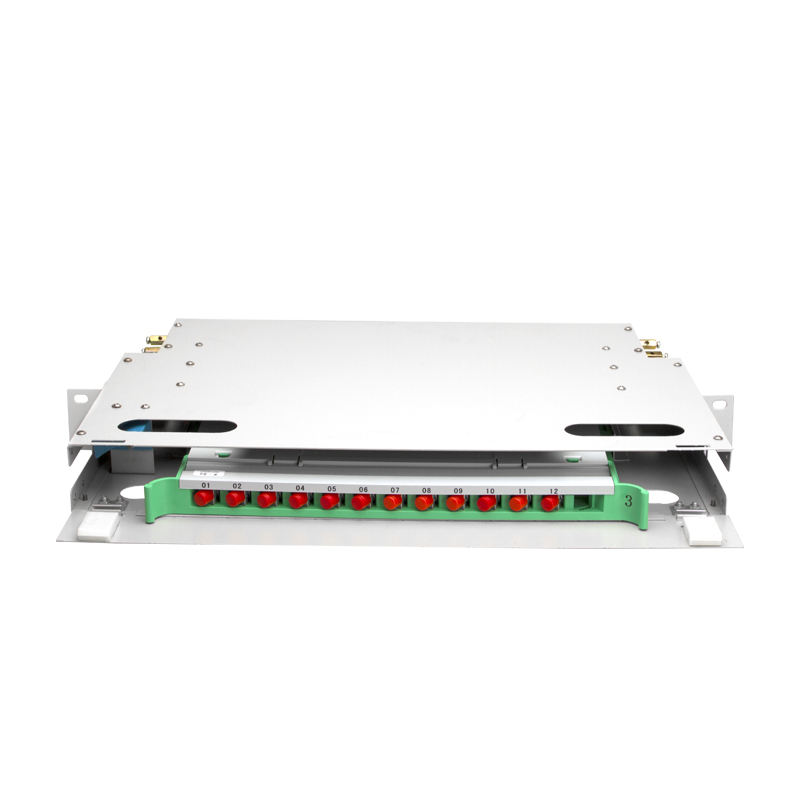
 LF080 OTB Sliding Fiber Optic Terminal Box Rack-mounted Enclosure
 ODF 288-Core High-Density Optical Distribution Panel
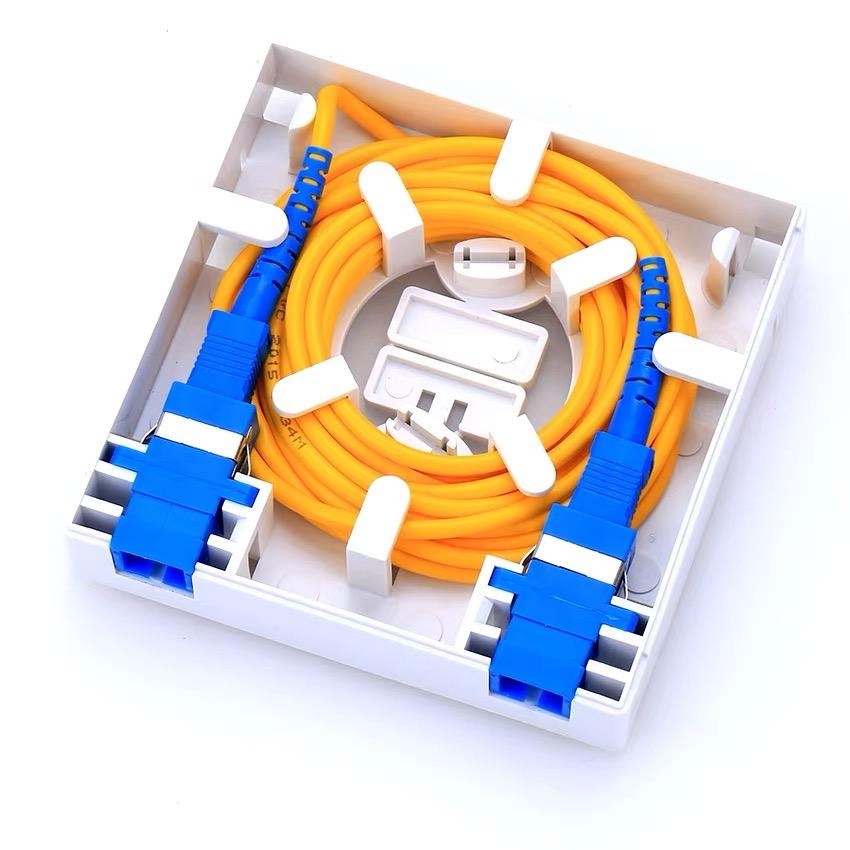
 LF-073-86 Type SC Simplex Fiber Optic Face Plate FTTH Wall Mount Outlet Indoor Junction Box
 LF074 IP68 Waterproof 24 Core Fiber Optic Splice Closure Horizontal Type Cable Joint Enclosure
 LF-085-Reinforced Metal Frame Slidable ODF Unit Telecom Grade Fiber Distribution Cabinet
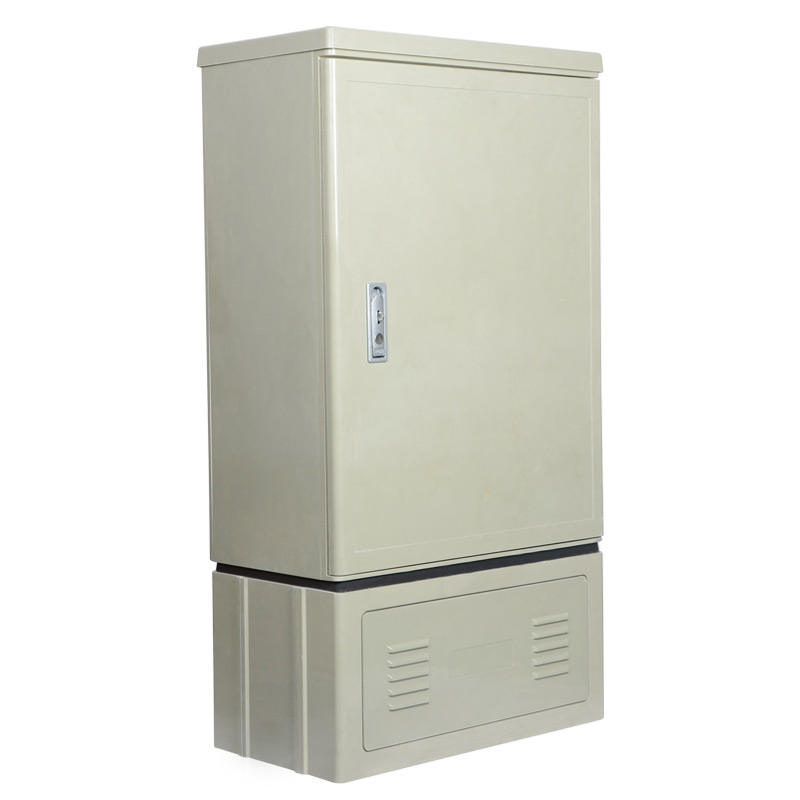
 LF-086-Factory Custom SMC Outdoor Fiber Cabinet 96-1152 Core FTTH OCC Cabinet

Professional Consultation
If you are interested in our products and would like to know more details, please leave a message here, and we will get back to you as soon as possible.


