



‹
›
‹
›
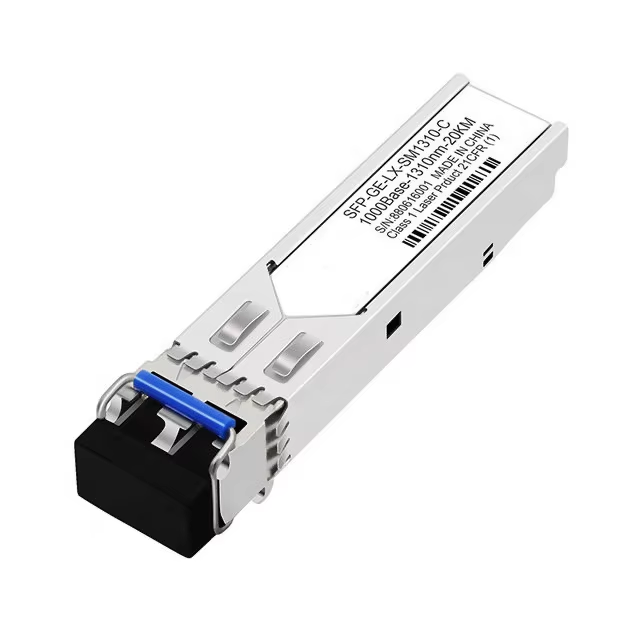
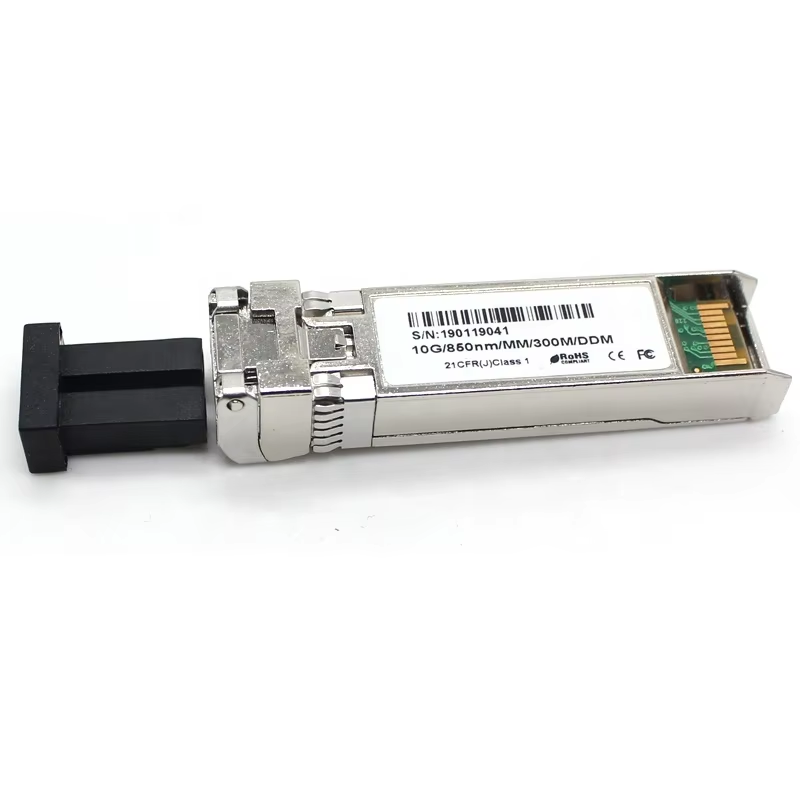
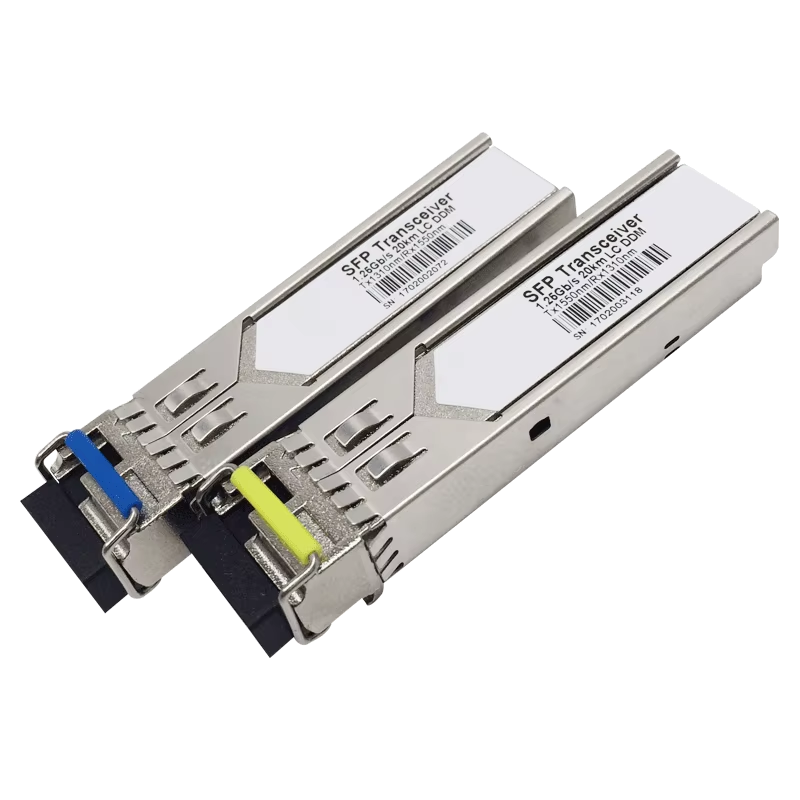
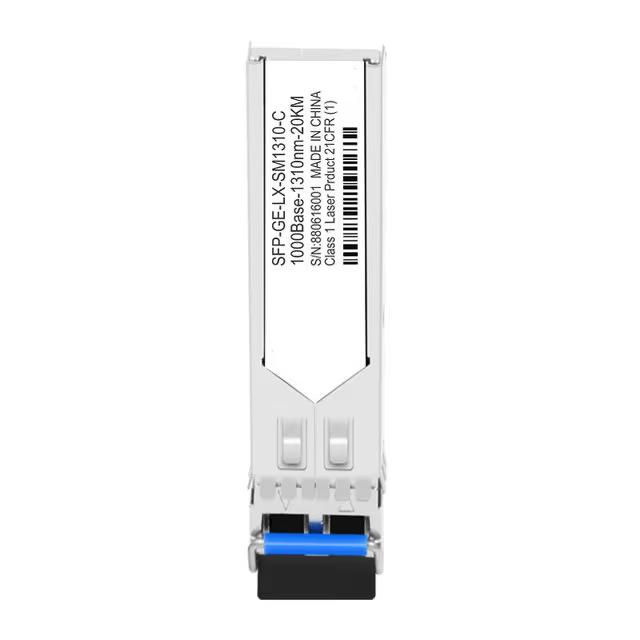
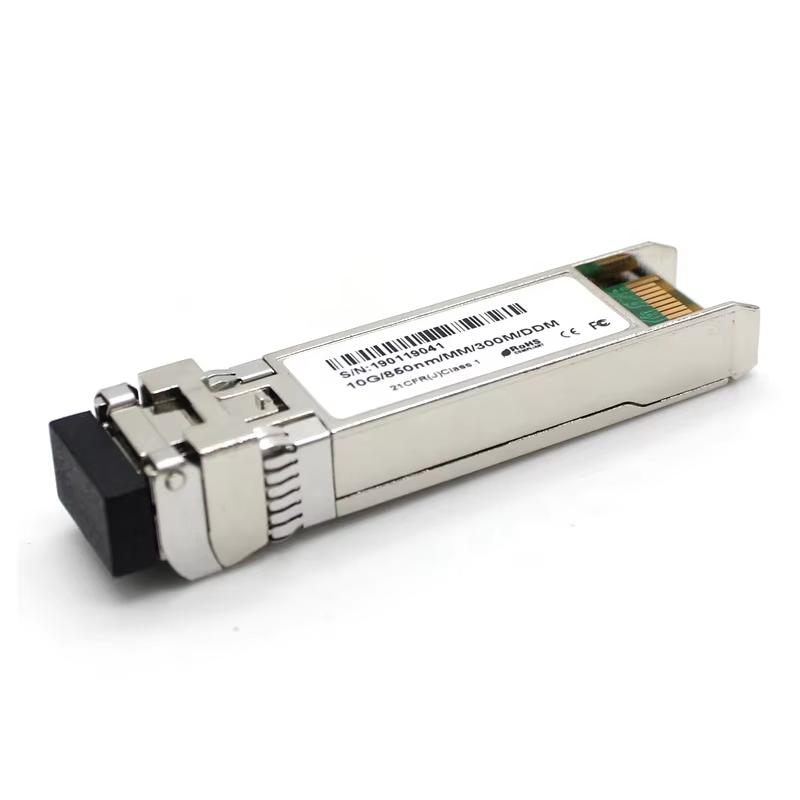
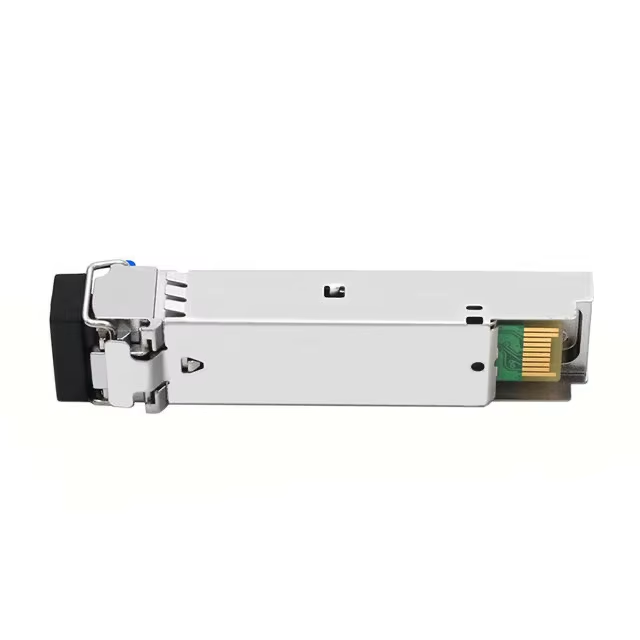
LF-097-Factory Wholesale 1.25G/10G SFP Module Compatible with Cisco H3C Huawei Fiber Switch
Share on





Product Overview
The SFP (Small Form-factor Pluggable) Optical Module is a compact, high-performance optical-electrical conversion device, designed for high-speed data transmission in Ethernet networks. It adopts the standard SFP hot-swappable form factor, which is widely compatible with switches, routers, media converters and other network devices, enabling flexible and efficient network deployment. With advanced optical components and core chips, the module features stable transmission, low power consumption, strong anti-interference ability and easy installation, effectively solving the limitation of copper cable transmission distance and meeting the needs of long-distance, high-bandwidth network communication in various scenarios.
Core Features
• Standard SFP Form Factor: Complies with industry SFP standards, hot-swappable design, easy to install and replace without powering off the device, improving network maintenance efficiency and reducing downtime.
• High-Speed Stable Transmission: Supports 1000Mbps full-duplex optical transmission, compatible with 10/100/1000M Ethernet electrical ports, ensuring smooth data transmission without packet loss or delay.
• Flexible Fiber Compatibility: Optional single-mode (SM) and multi-mode (MM) fiber types; wavelength options include 850nm (MM), 1310nm/1550nm (SM), adapting to different transmission distance requirements.
• Long-Distance Transmission Capacity: Multi-mode module supports up to 0.5km transmission; single-mode module supports 10km, 20km, 40km, 60km, 80km, 120km (optional), meeting diverse project needs.
• Low Power Consumption & Energy Saving: Adopts advanced power management technology, power consumption as low as 1.5-3W, energy-saving and environmentally friendly, reducing overall network operation costs.
• Strong Compatibility: Complies with IEEE 802.3, IEEE 802.3u, IEEE 802.3z standards, compatible with all standard SFP ports of mainstream network devices, plug-and-play without manual configuration.
• Reliable Performance: Built with high-quality industrial-grade chips and optical components, MTBF (Mean Time Between Failures) over 100,000 hours, with anti-static, anti-electromagnetic interference (EMI) and lightning protection functions, ensuring stable operation in complex environments.
• Compact & Space-Saving: Small size (56.5×13.4×8.5mm), high port density, saving cabinet space and facilitating high-density network deployment in data centers and computer rooms.
Technical Specifications
Application Scenarios
With its compact size, flexible compatibility and stable performance, the SFP Optical Module is widely used in various high-speed Ethernet communication scenarios, including but not limited to:
• Data Centers & Computer Rooms: Realizing high-density connection between servers, switches, storage devices and routers, saving cabinet space and improving network deployment efficiency.
• Enterprise Networks & Industrial Parks: Extending network transmission distance, connecting different functional areas, supporting network upgrade and maintenance without downtime.
• Telecom & Broadband Access Networks: Used in backbone and access networks, adapting to different transmission distance requirements, reducing equipment investment and operation costs.
• Security Monitoring Systems: Connecting high-definition network cameras and monitoring centers, ensuring stable long-distance signal transmission and clear video quality.
• Industrial Communication: Optional industrial-grade temperature resistance, adapting to harsh industrial environments such as power, railway, and municipal engineering.
• Campus Networks & Commercial Complexes: Realizing full-area network coverage, meeting the needs of multi-terminal high-speed access and data transmission.
What should a wholesale SFP module RFQ include to reduce wrong shipments and returns?
How can overseas distributors verify SFP modules before shipment?
Do SFP transceivers include DOM/DDM monitoring and industrial temperature ratings?
Can a long-reach SFP module be used on a short fiber link?
How should buyers specify duplex or single-fiber BiDi SFP modules?
How should distributors select multimode or single-mode SFP transceivers and reach?
What is the difference between a 1.25G SFP and a 10G SFP+ optical module?
How can buyers verify SFP compatibility with Cisco, H3C or Huawei switches?
To learn more about this product, you can submit your requirements here.
 LF-097-Factory Wholesale 1.25G/10G SFP Module Compatible with Cisco H3C Huawei Fiber Switch
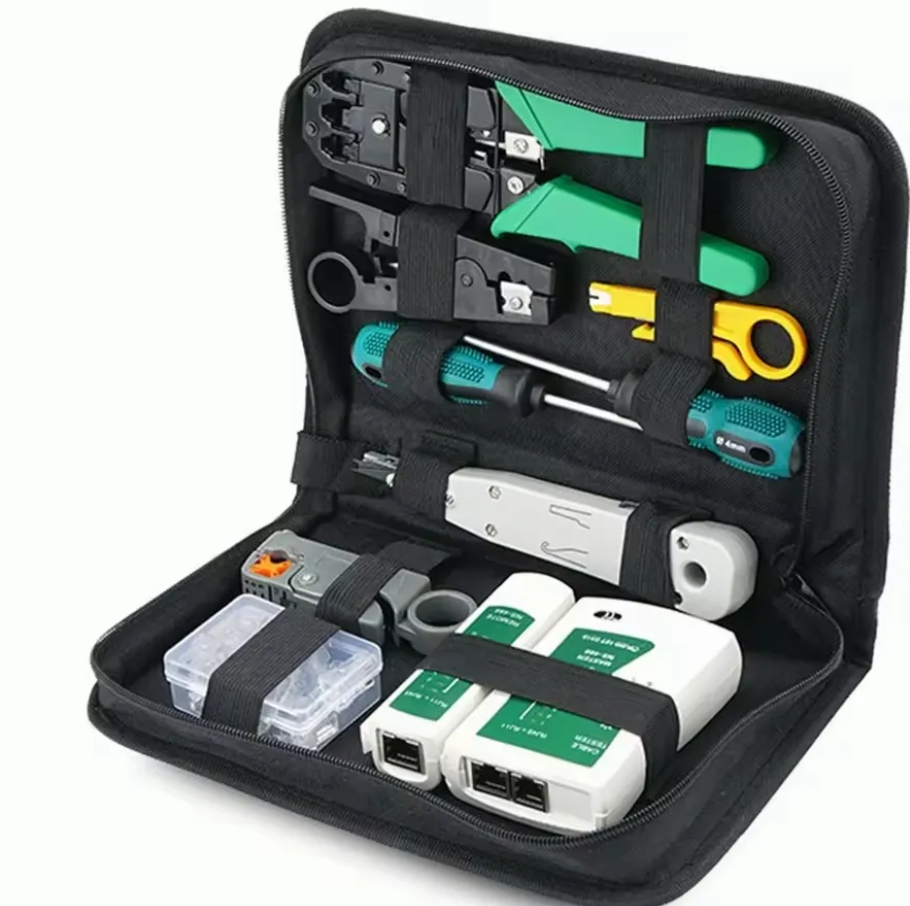
 LF-098-Ethernet LAN Network Maintenance Tool Kit RJ45 Crimping Tool Cable Tester Wire Stripper
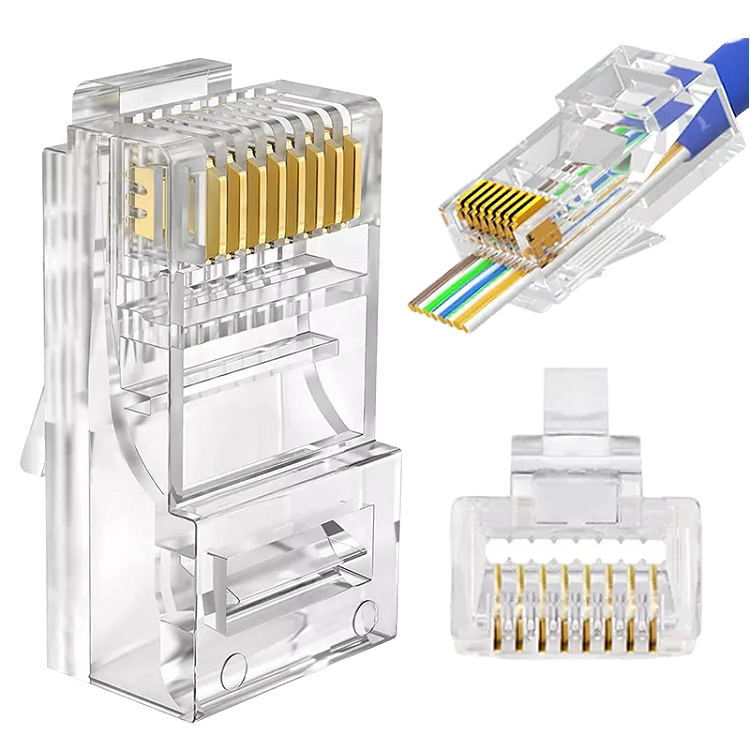
 LF-099-Factory Wholesale Cat5e Cat6 RJ45 Connector UTP FTP 8P8C Crystal Plug Bulk Pack
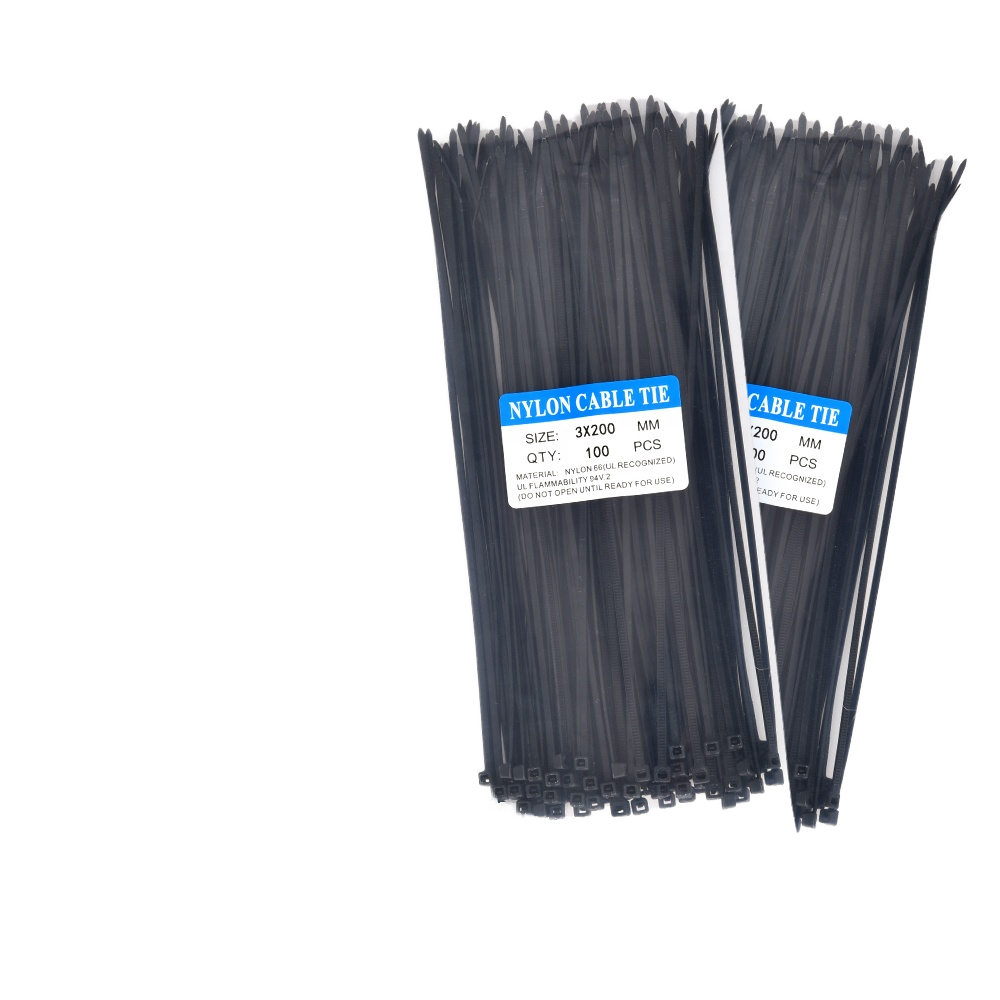
 LF-100-Self Locking Nylon 66 Cable Tie Black White UV Resistant Plastic Zip Tie Fastener

Professional Consultation
If you are interested in our products and would like to know more details, please leave a message here, and we will get back to you as soon as possible.


